
Pest and disease resources
Explore resources related to fungi, viruses , pests and management.
Fungi
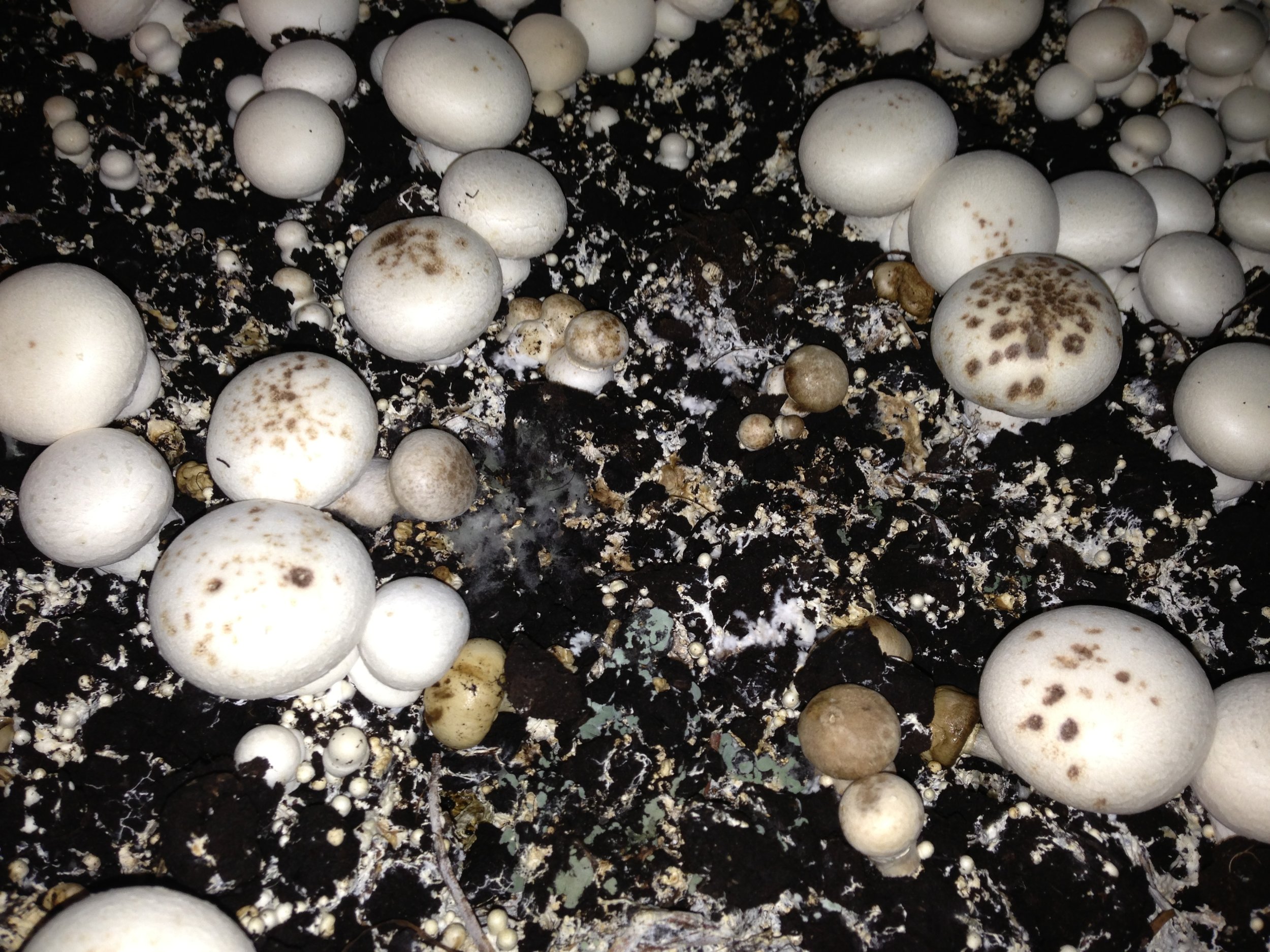
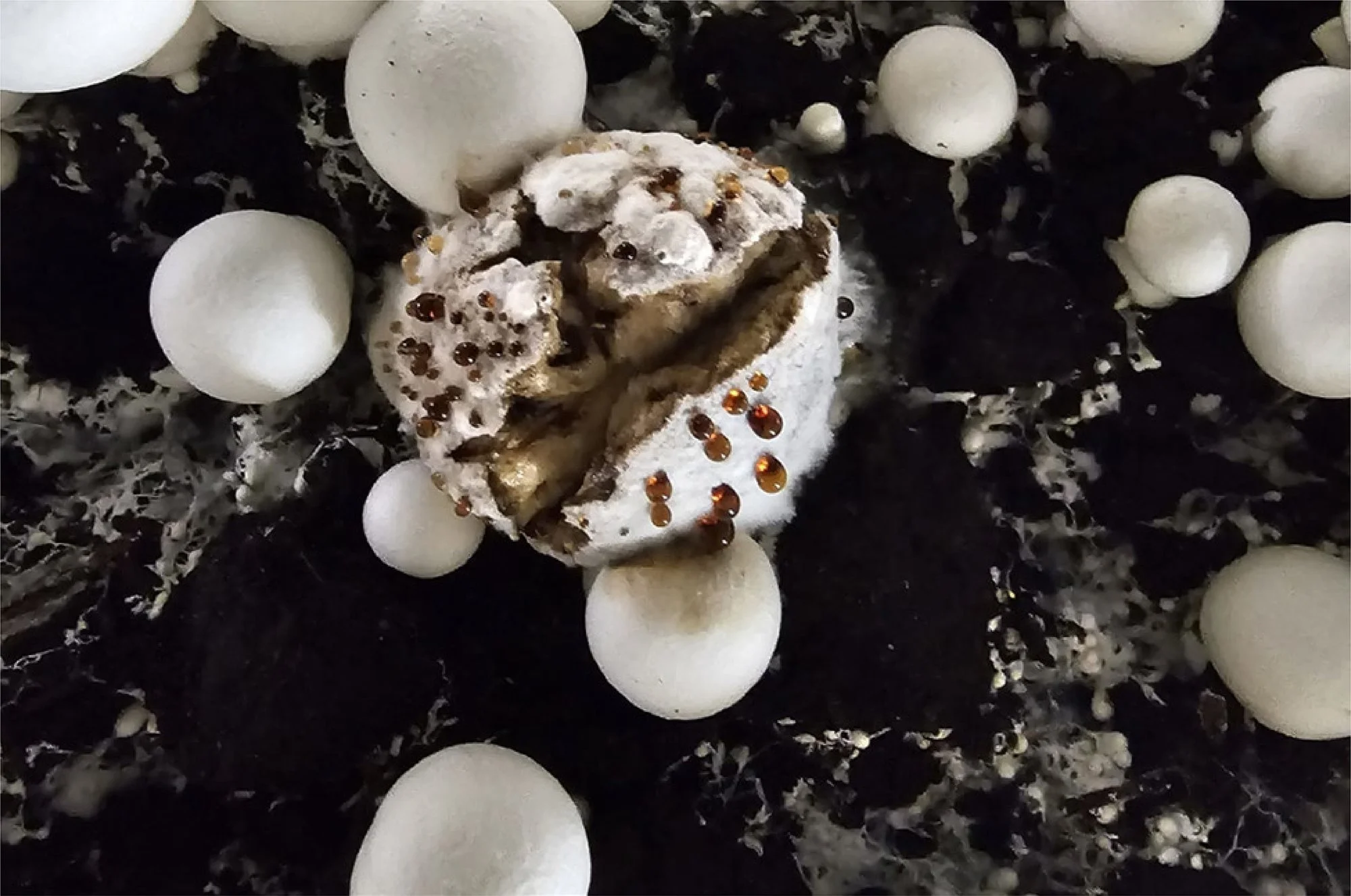


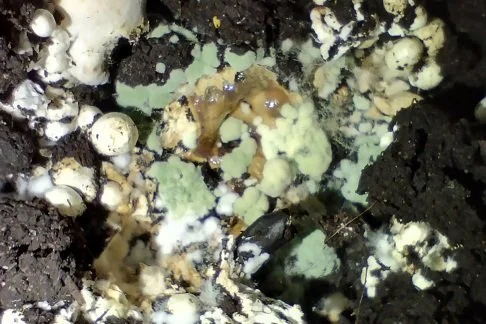
Trichoderma is a genus of fungi found in virtually every soil, everywhere, and is often the number one enemy of the healthy, productive mushroom farm. New research is now shedding light on not only why this fungus is such a problem during Agaricus production, but also some potential new control strategies.


Viruses


The levy-funded project MU22003, an investment to support the study of viruses in Australia and their impact on quality and yield, has taken a significant leap forward with the recent appointment of a PhD student.

Bacteriophages, or simply ‘phages’, are viruses that infect bacteria. They are some of the most diverse and widespread organisms on the planet. Bacteriophages can be useful agents, targeting harmful bacteria. They can also have negative effects, attacking the beneficial bacteria that make life possible. Friend or foe depends on place and pathogen.


Pests
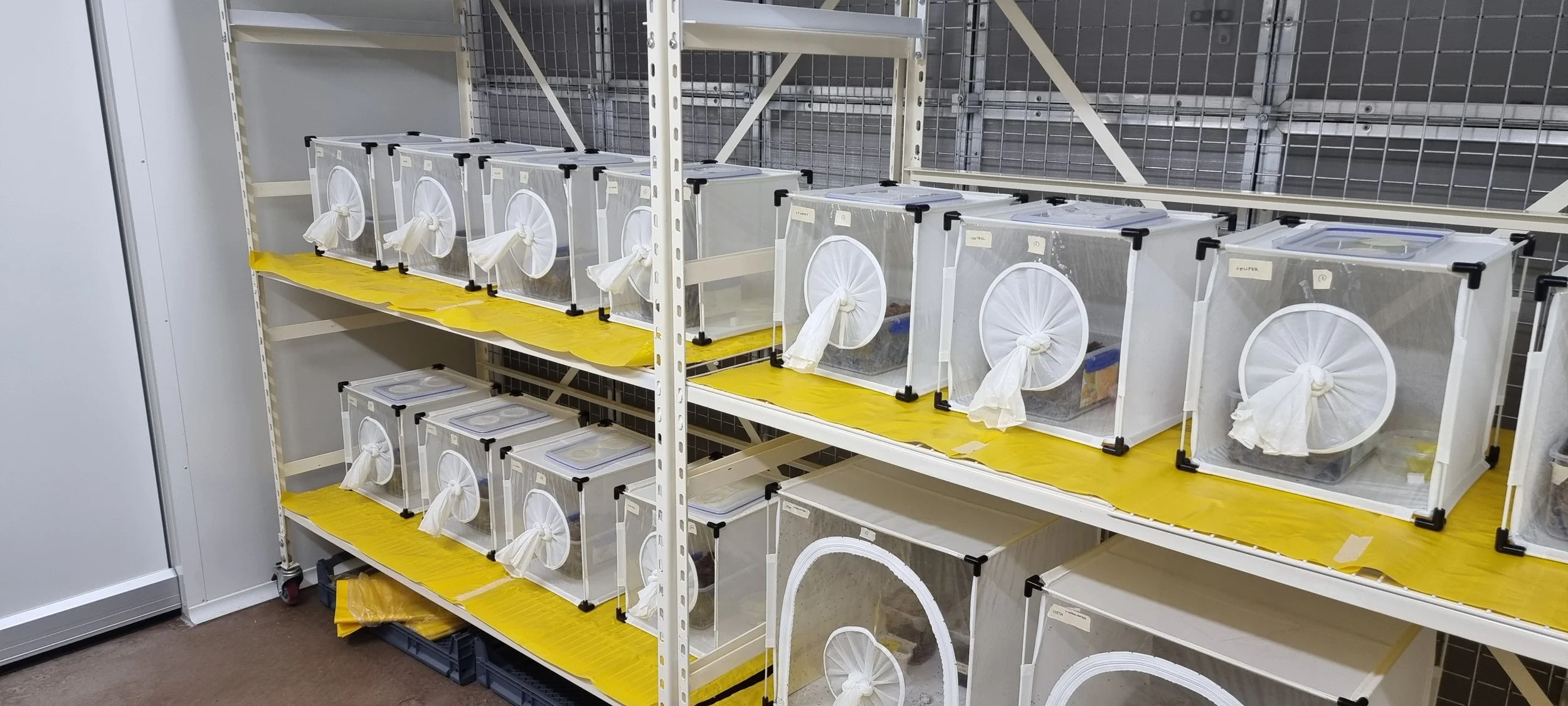
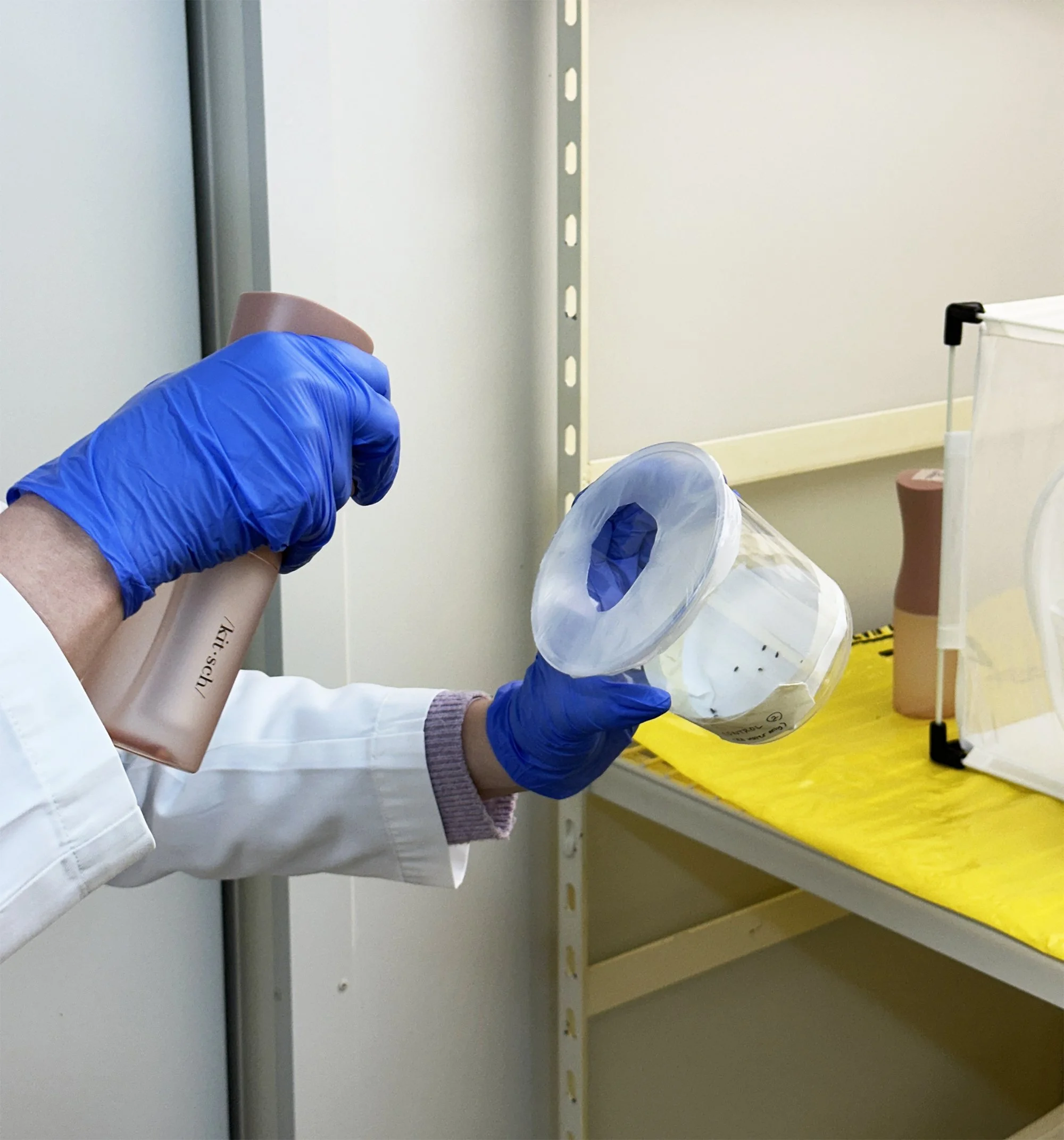






Integrated Pest and Disease Management (IPDM) is a comprehensive, multifaceted, and systematic approach to managing pests and diseases. Rather than treat diseases when they express on-farm with synthetic chemical pesticides, or apply synthetic pesticides routinely to prevent diseases occurring, an effective IPDM program eliminates the root cause of pest and pathogen infestations. IPDM can suppress or remove pest and pathogen populations in a stepwise, sustainable, safe, cost-effective and environmentally sound manner.

When applied correctly, pesticides are a very effective component of a mushroom farm’s IPDM (Integrated Pest and Disease Management) strategy, rapidly reducing pest and pathogen populations. When a pesticide seems no longer to work, or appears to work less effectively than before, it is very concerning. The purchase of pesticides is a significant expense for mushroom farms particularly when faced with increasing costs across the board. It is important from an economic perspective that pesticide effectiveness is optimised and that growers see a good return on their investment.

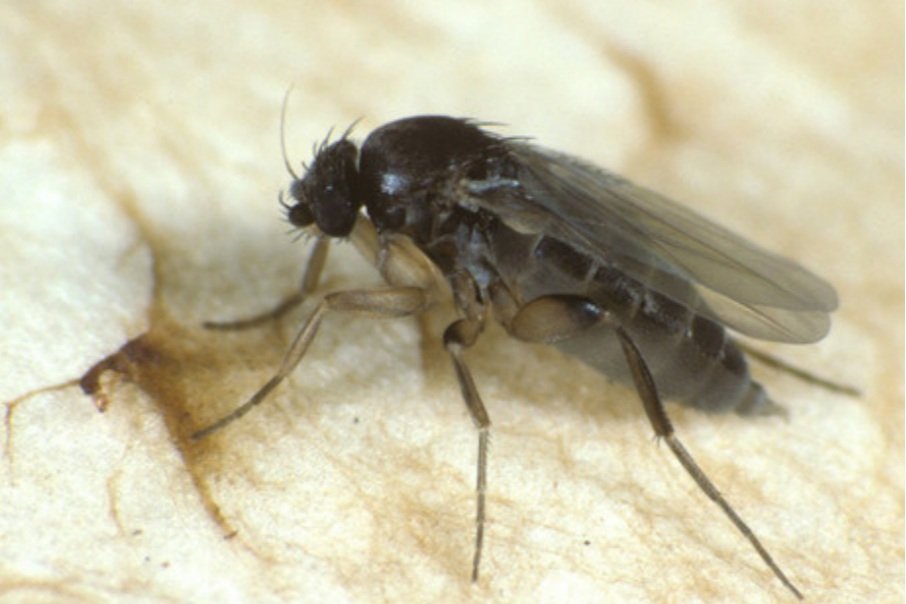
Flies in mushroom crops are a persistent, annoying, and occasionally, very damaging issue that all growers will face at some time. Most research has focussed on sciarids (Lycoriella spp.), often the most common species present. The maggots feed on organic matter in compost and readily adapt to captivity, making research relatively easy. Mushroom phorid flies may be a minor problem on most Australian farms, but in many countries – including Spain, Turkey, India, the UK and the US – they are a major pest. Yield losses of 10 to 40% have been widely reported. Some Australian farms are now also reporting persistent populations of these flies.


Management

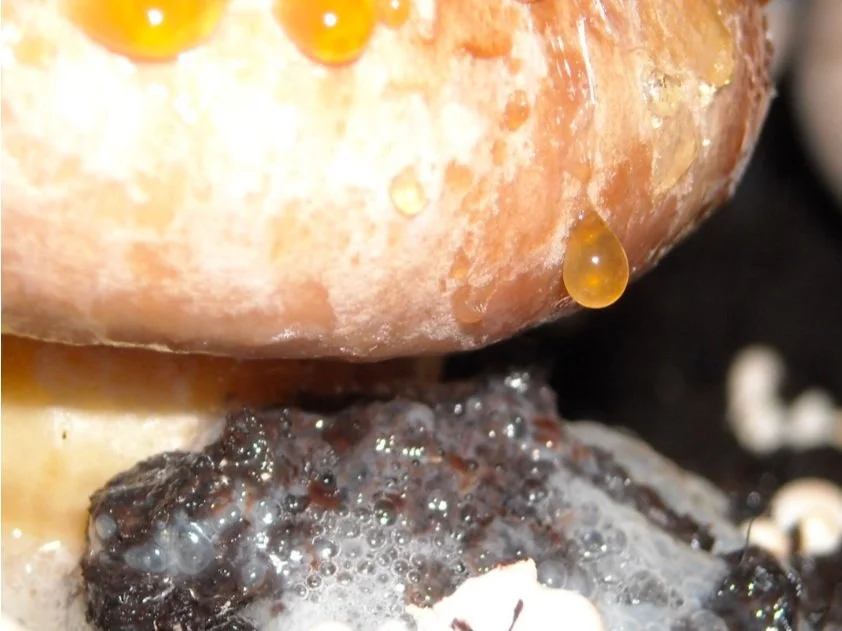


This month, our resident Doctor Agaricus was asked about foaming, a disease spotted in Europe.
Foaming is as an abiotic disorder that mainly affects the Heirloom variety marketet by Amcel. We asked Tim Harker from Amycel UK and Ireland to help explain what it is, and if it could be a problem in Australia.

When we think of exclusion principles on a mushroom farm, we immediately think of grow room doors and seals. And for good reason, as grow room doors and seals are the major physical barrier used to keep flies and dust away from the mushroom crops. But doors and seals are not the only exclusion principles that are applied on mushroom farms. In this article we will look at further methods of exclusion appropriate for mushroom farms, how to apply them and why they are applied.

With mounting consumer opposition to pesticide residues in food products and the increasing awareness of their environmental impact, industry access to traditional disease control chemicals is declining world-wide. Achieving effective on-farm disease management is therefore becoming increasingly reliant on whole-farm preventative hygiene
Integrated Pest and Disease Management (IPDM) is a comprehensive, multifaceted, and systematic approach to managing pests and diseases. Rather than treat diseases when they express on-farm with synthetic chemical pesticides, or apply synthetic pesticides routinely to prevent diseases occurring, an effective IPDM program eliminates the root cause of pest and pathogen infestations. IPDM can suppress or remove pest and pathogen populations in a stepwise, sustainable, safe, cost-effective and environmentally sound manner.

Wet bubble is a widely distributed disease caused by the fungal parasite Hypomyces perniciosus (formerly Mycogone perniciosus). Recently it has been found that related pathogens, including M. rosea and M. xinjiangensis, can also cause symptoms.

A new Hort Innovation project, led by Dr Aimee McKinnon from Agriculture Victoria, investigates effective alternatives to complement current pest and disease management strategies for the mushroom industry. Mushroom parasites and bacterial diseases cause heavy losses in commercial mushroom farms worldwide, and the risk of such outbreaks in Australia has been identified as a major threat to the industry.


When you have a pest or disease problem on-farm that you are unsure of, or when you need to confirm the right way forward, what do you do? For Neil Newman of Country Farm Fresh Mushrooms, the answer is as close as the computer and the phone.

Over the last five years, Warwick Gill from the University of Tasmania and Judy Allan have led the levy funded
project MU 16003 Pest and disease management and research services, creating an exhaustive and detailed body of knowledge for the Australian mushroom industry.

A mushroom industry-funded project has delivered a commercially available early disease detection service which has revolutionised the way growers manage disease.


