

Nutrition and food safety resources
Explore the ‘consumer facing’ resources related to mushroom nutrition and managing food safety.
Nutrition
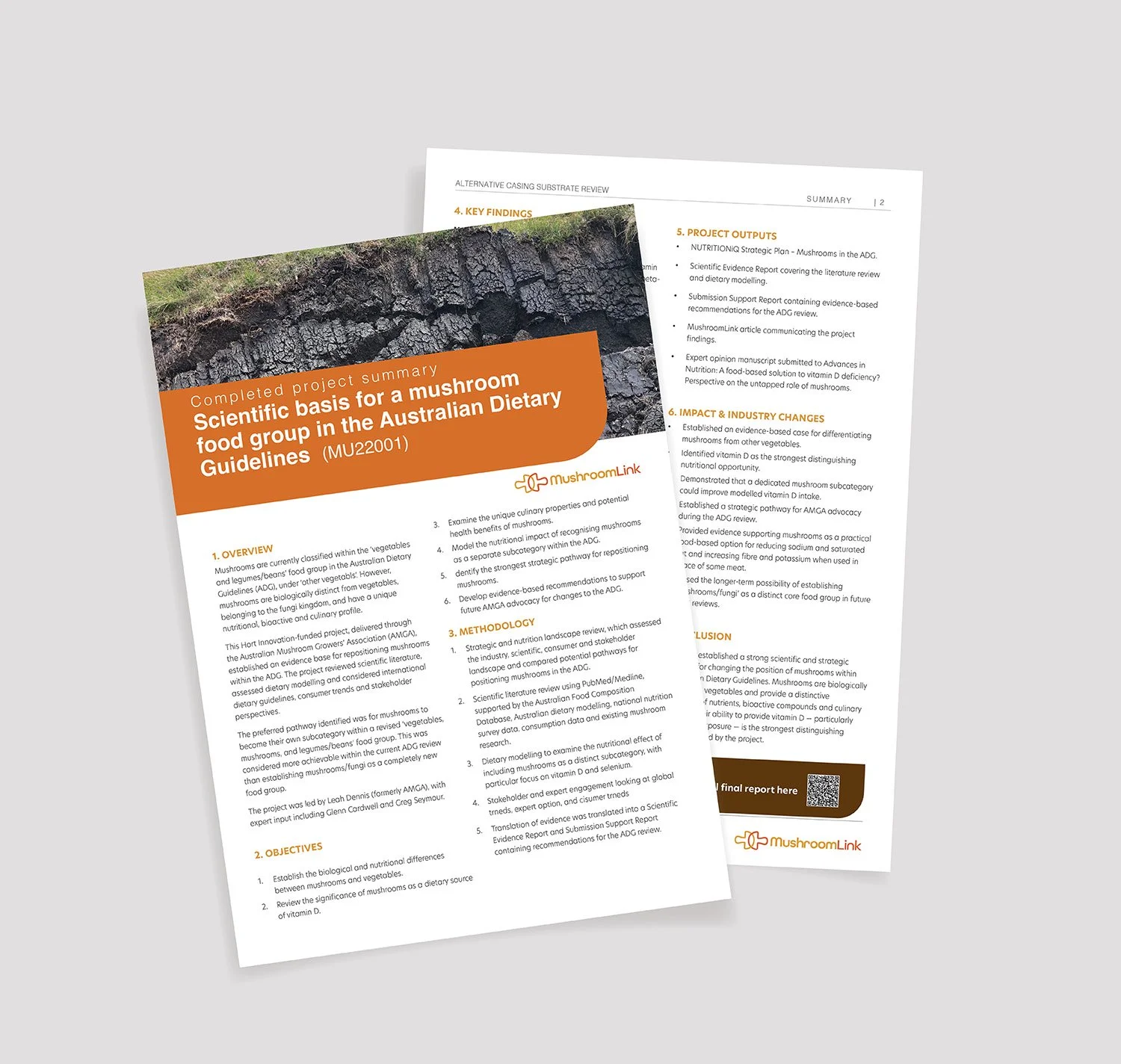
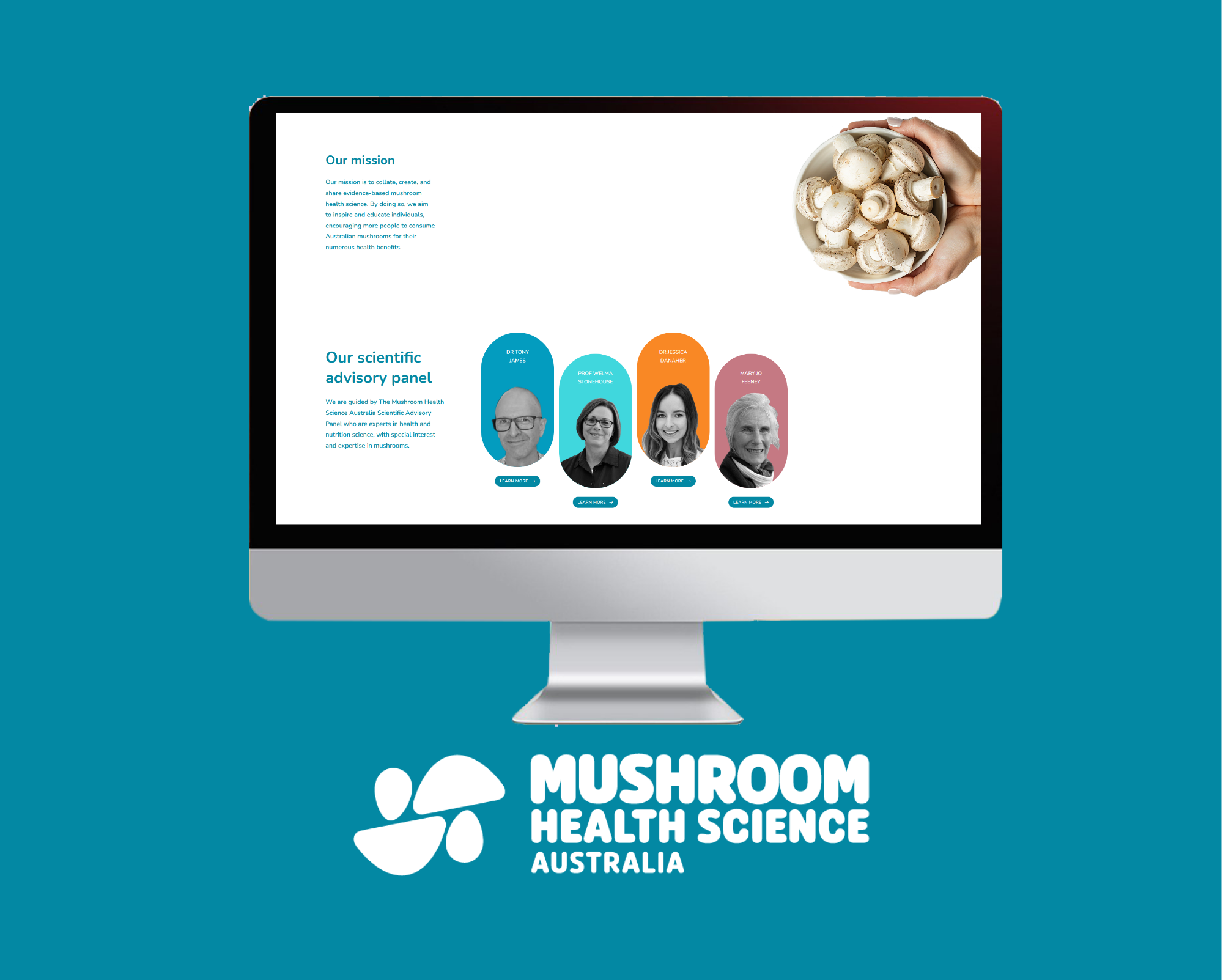
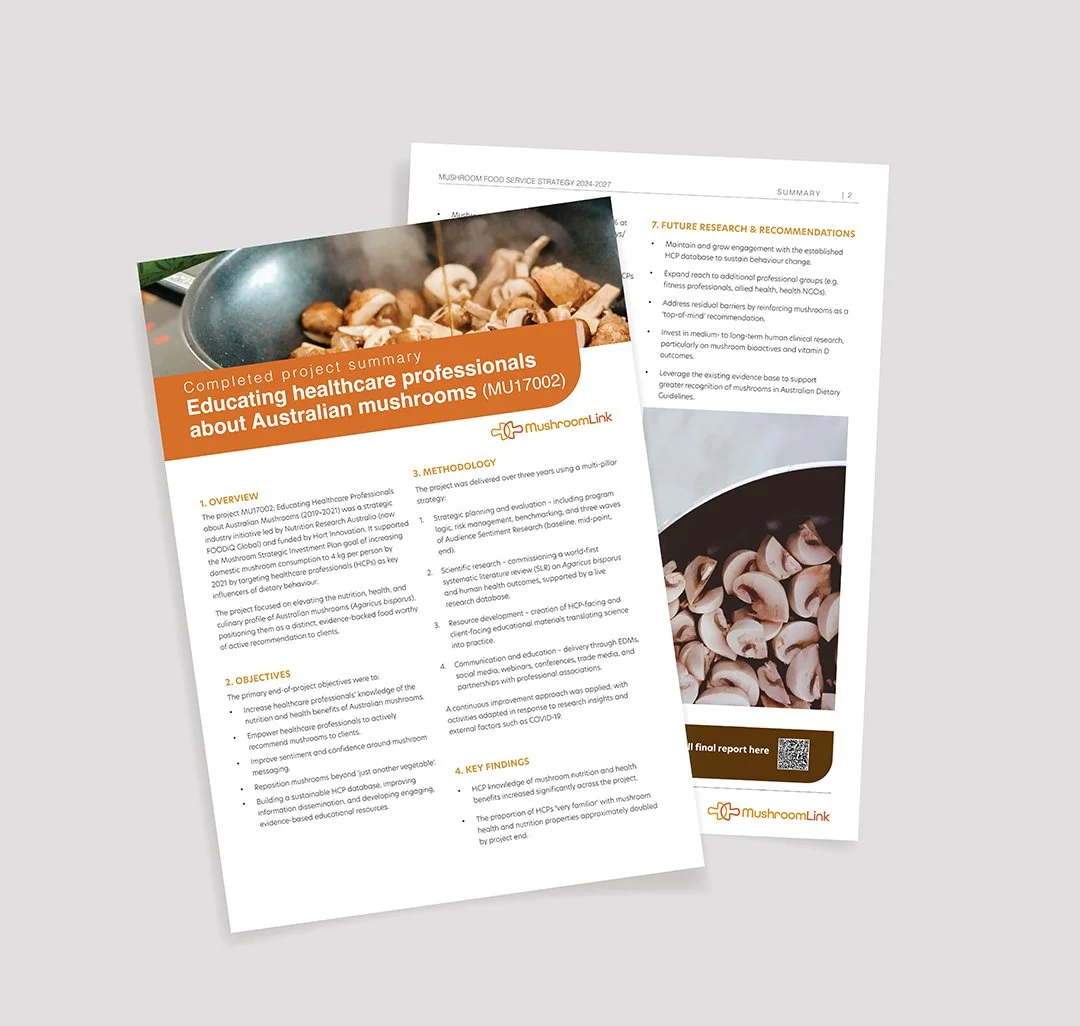
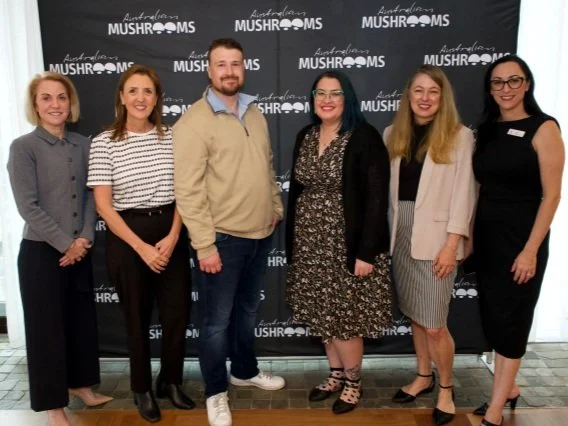


Collaborating with research partner FOODiQ (formally NRAUS) and chef Adam Moore, the AMGA has engaged two leading examples of the institutional food sector to educate food and health care professionals about the unique nutritional benefits of Australian-grown Agaricus bisporus mushrooms.

MUSHRoom is a new initiative led by Dr Emma Beckett and the team from FOODiQ Global in collaboration with the Australian Mushroom Growers Association. The MUSHRoom (Mushroom Science and Health) online platform, a one-stop-shop for research and resources on the nutrition and health benefits of mushrooms, aims to transform the perception of mushrooms among healthcare professionals through a dedicated portal that will become a treasure trove of credible information.


In the world of nutrition, even the most mundane details can have a profound impact on our health and wellbeing. Enter the Australian Dietary Guidelines (ADG) - a comprehensive blueprint designed by the
Australian Government to steer us towards better dietary choices.

Vitamin D deficiency is an increasing public health problem in Australia, with almost a quarter of Australians deficient. Mushrooms provide a unique solution to address this deficiency and would lend some ‘nutrition heft’ to any marketing campaign. However, before claims can be made about vitamin D, it is necessary to take a closer look at the vitamin and the specifics of the food regulations.

The well-documented cholesterol-lowering effect of oats has been certified by nutritional regulators globally since the late 1990s. Subsequent studies and clinical trials have shown consistent results that confirm, and even boost, the original claims. This high-level health claim has driven an increase in the consumption of oats globally1. Beta-glucan, the compound responsible for lowering cholesterol, is famously present in oat and barley grains. However, its presence in mushrooms is less well known.


Food safety


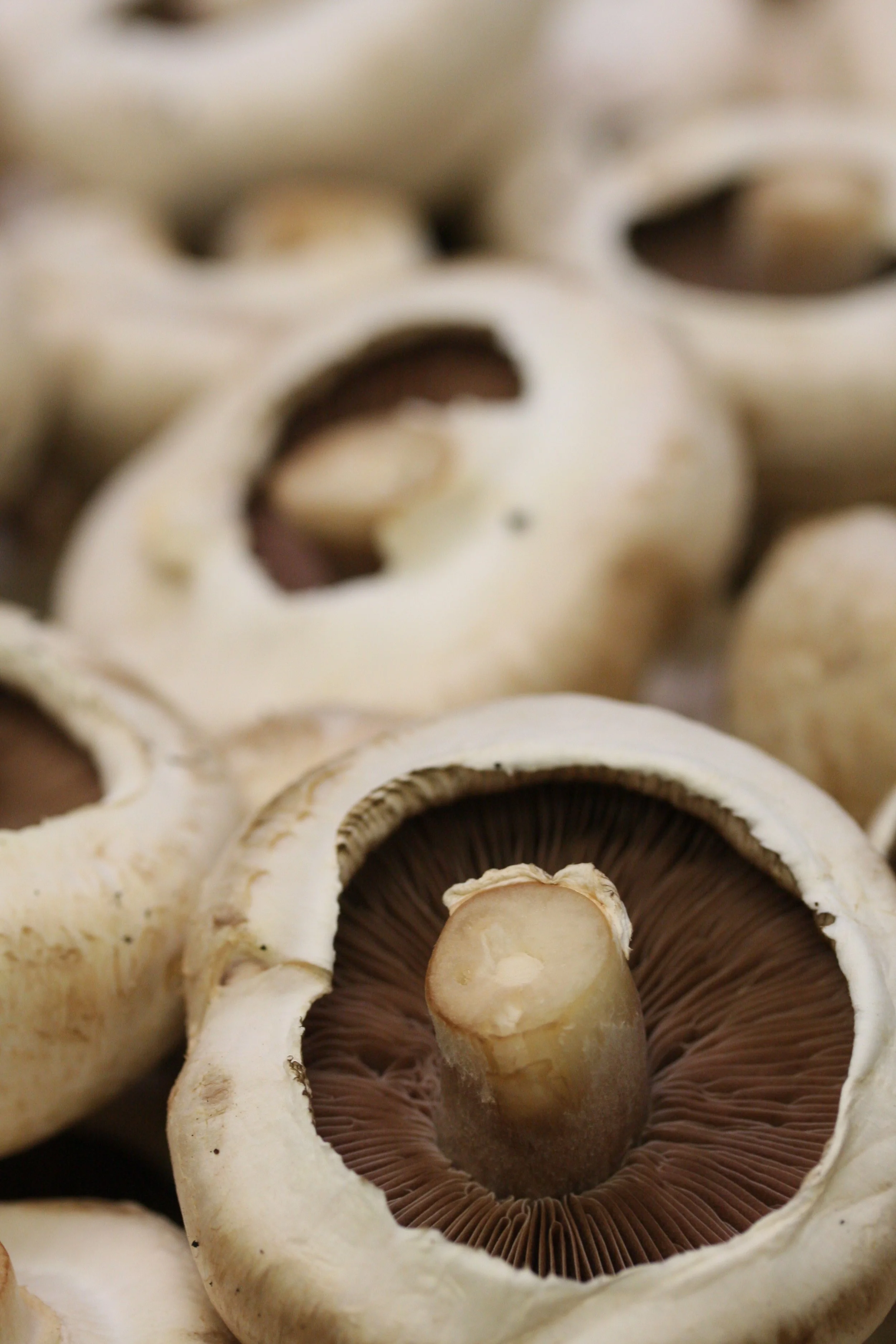


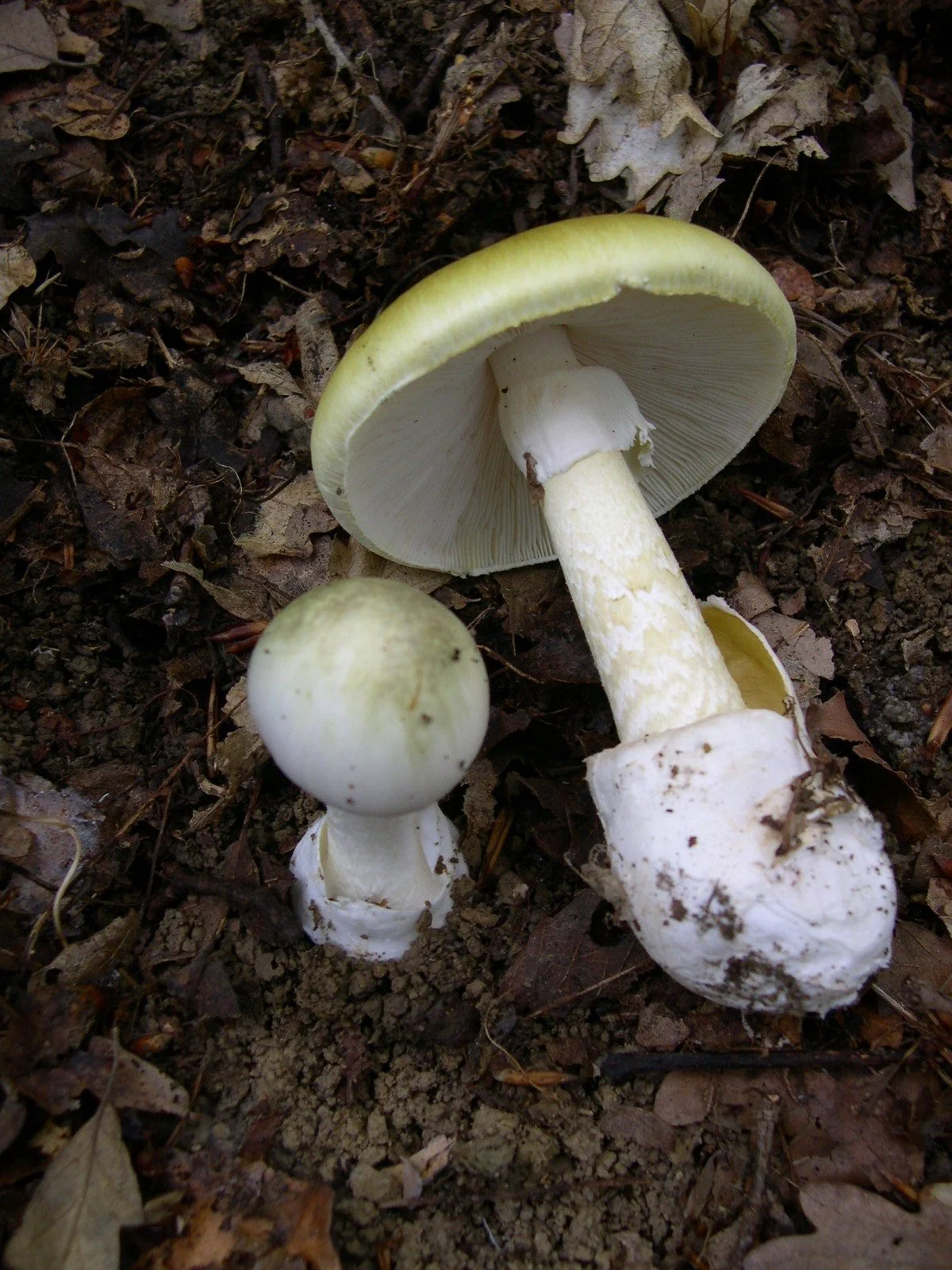


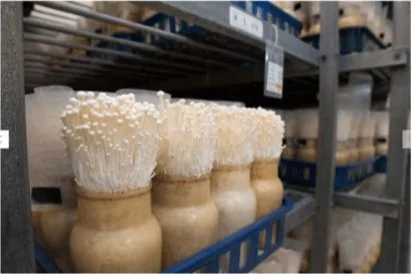

Stringent food safety requirements have left some Mushroom farmers concerned regarding the requirements for compost pasteurisation. The Australian Mushroom growers association has collated evidence around the typical composting process, including information on included times and temperatures used, plus supporting data demonstrating that this eliminated human pathogens.
After submission to the HARPS stakeholder committee, this composting process has now been formally recognised as an alternate treatment process.
The Australian mushroom industry has long been committed to both ‘promote and protect’. This means that investment in mushroom promotion and marketing is underpinned by sound science and effective risk management. The industry includes both small and large grower operations. Some supply retailers and require GSFI level food safety certification. Other, smaller growers, do not. In a food safety crisis, BOTH pose equal reputational risk. It is therefore important that the industry is protected by helping non-certified growers achieve best practice, and helping to build good food safety culture for all staff within certified farms.

Clare Hamilton-Bate has had more to do with food safety certification than just about anyone in Australia. Clare has also been an advisor to the mushroom industry for over 10 years. MushroomLink recently talked to Clare about tips and traps for QA managers on mushroom farms.


