News archive



The Future of Casing
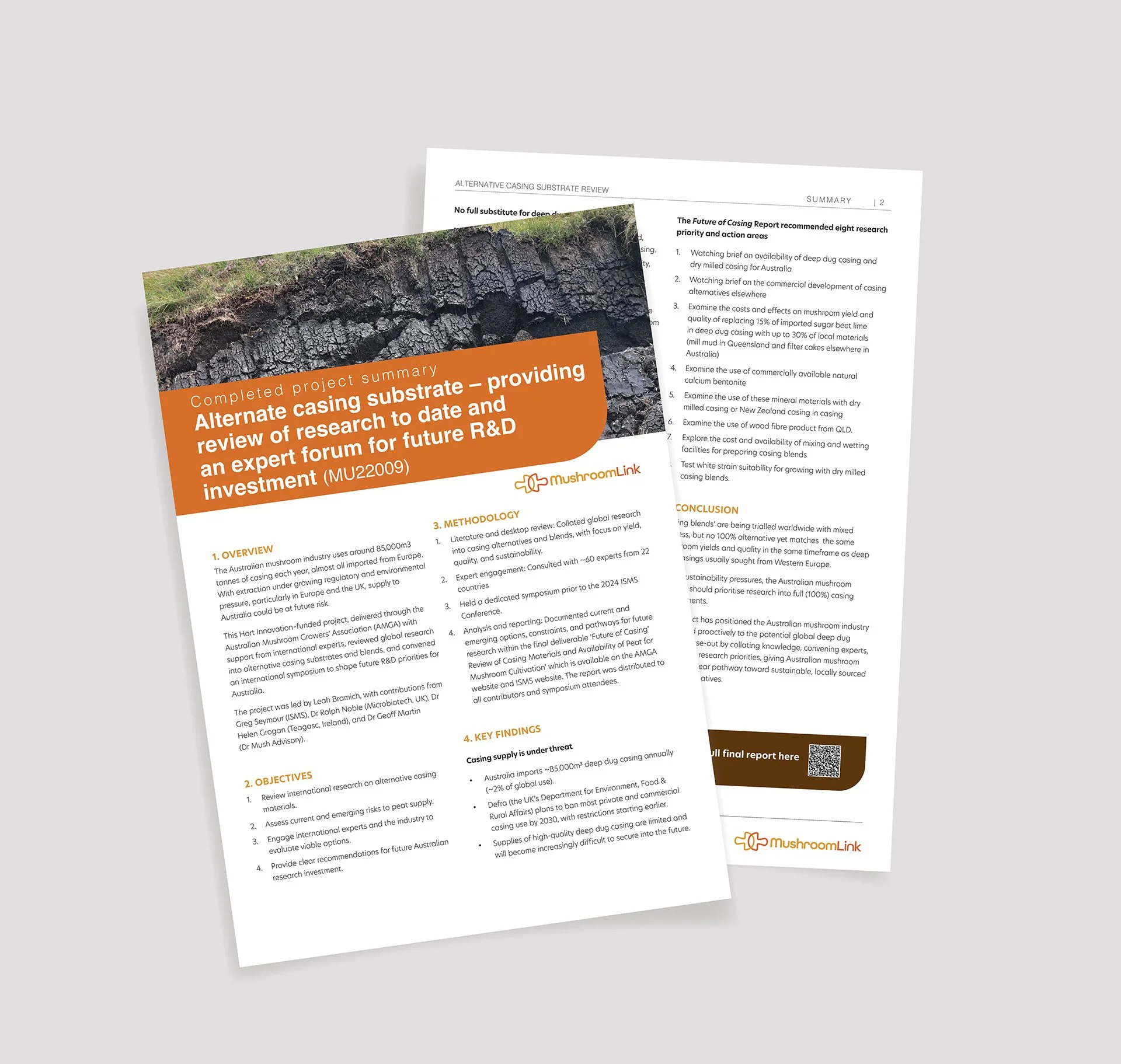
As the future of imported casing material is uncertain, a recent Hort Innovation levy-funded project reviewed the viability of existing alternatives and new research into future materials.

Lignin Removal
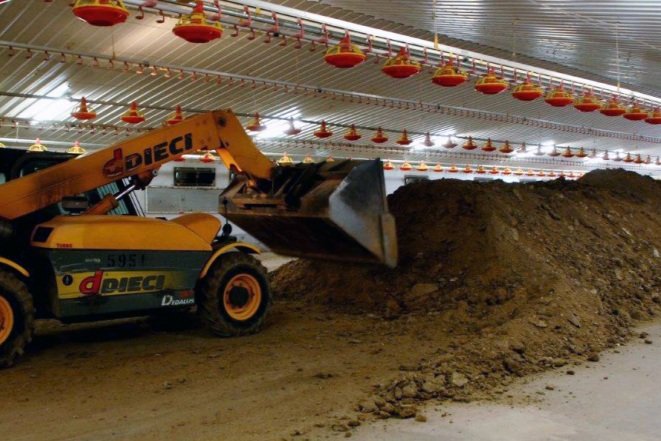
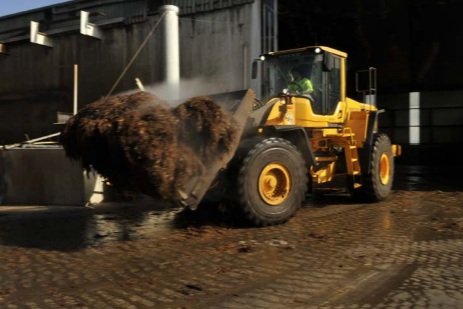
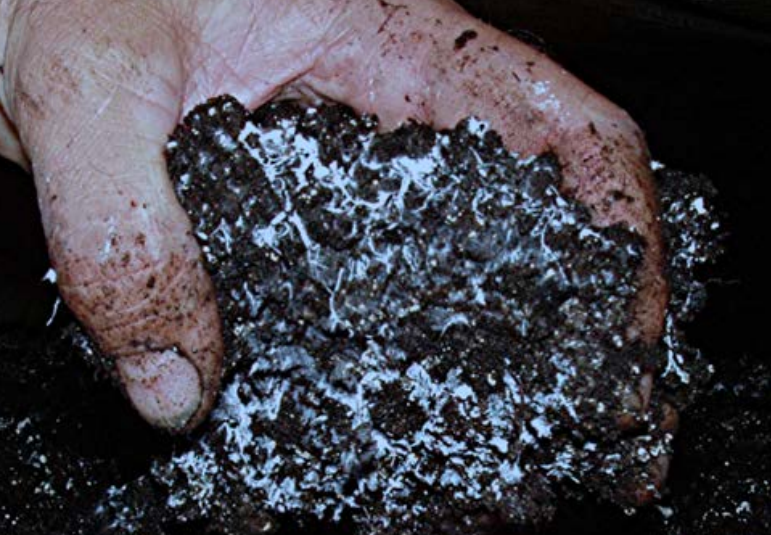
Once upon a time, Agaricus mushrooms were just another fungi, albeit widely distributed. They grew from Alaska to the Congo, and from coastal grasslands to mountain forests. This adaptivity was due in part to their natural diet, which was based on partially degraded leaf litter and other organic materials in soil. Farmed Agaricus feeds primarily on wheat straw, degrading the tough celluloses, hemicelluloses (xylan) and lignin that together form plant cell walls. One key purpose of composting is to strip away straw’s waxy cuticle and start to break down the linkages between carbohydrates and lignin, making these materials easier for the mycelium to digest – as would have occurred in the natural environment.

Testing the effects of nitrogen
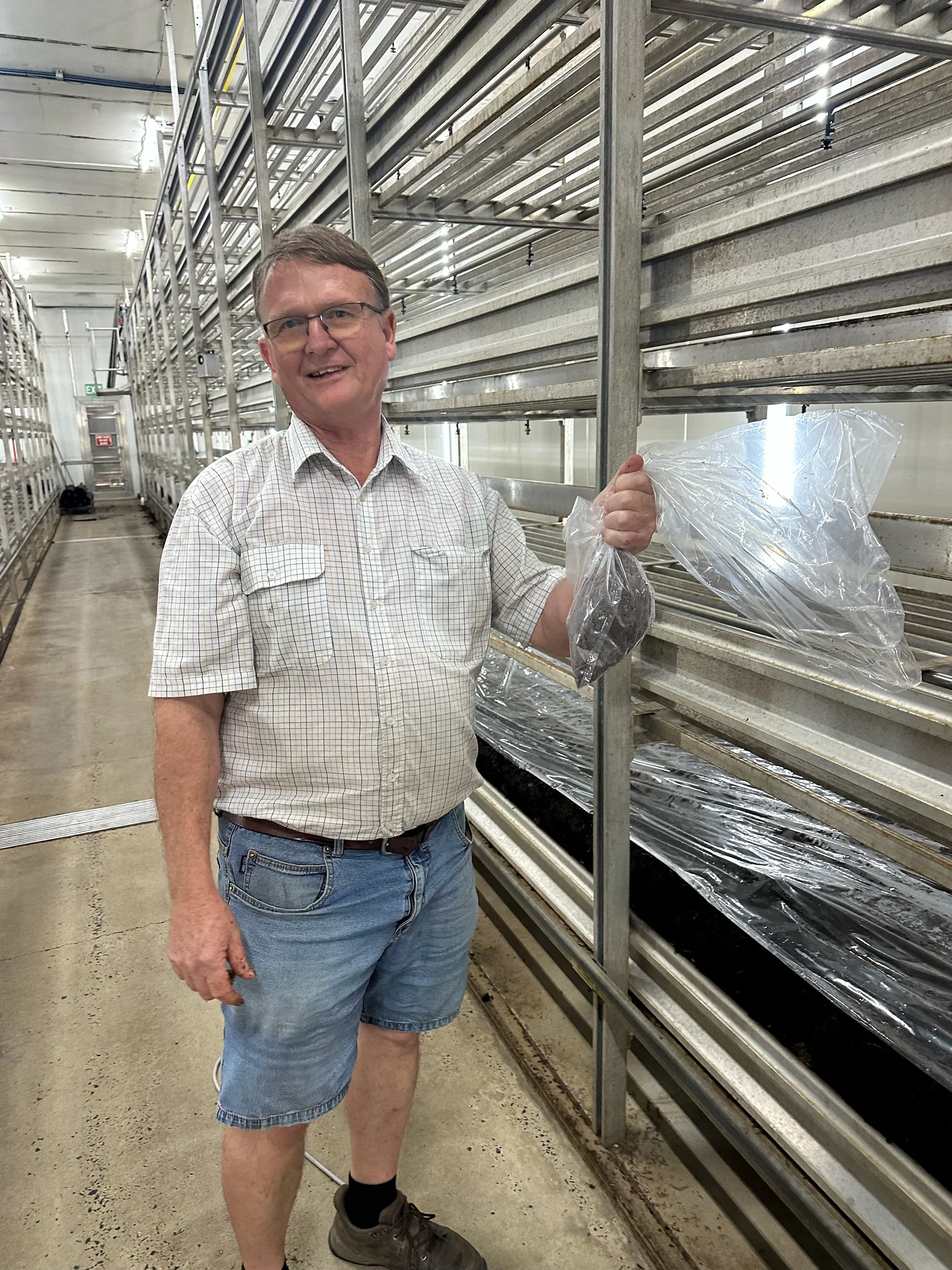
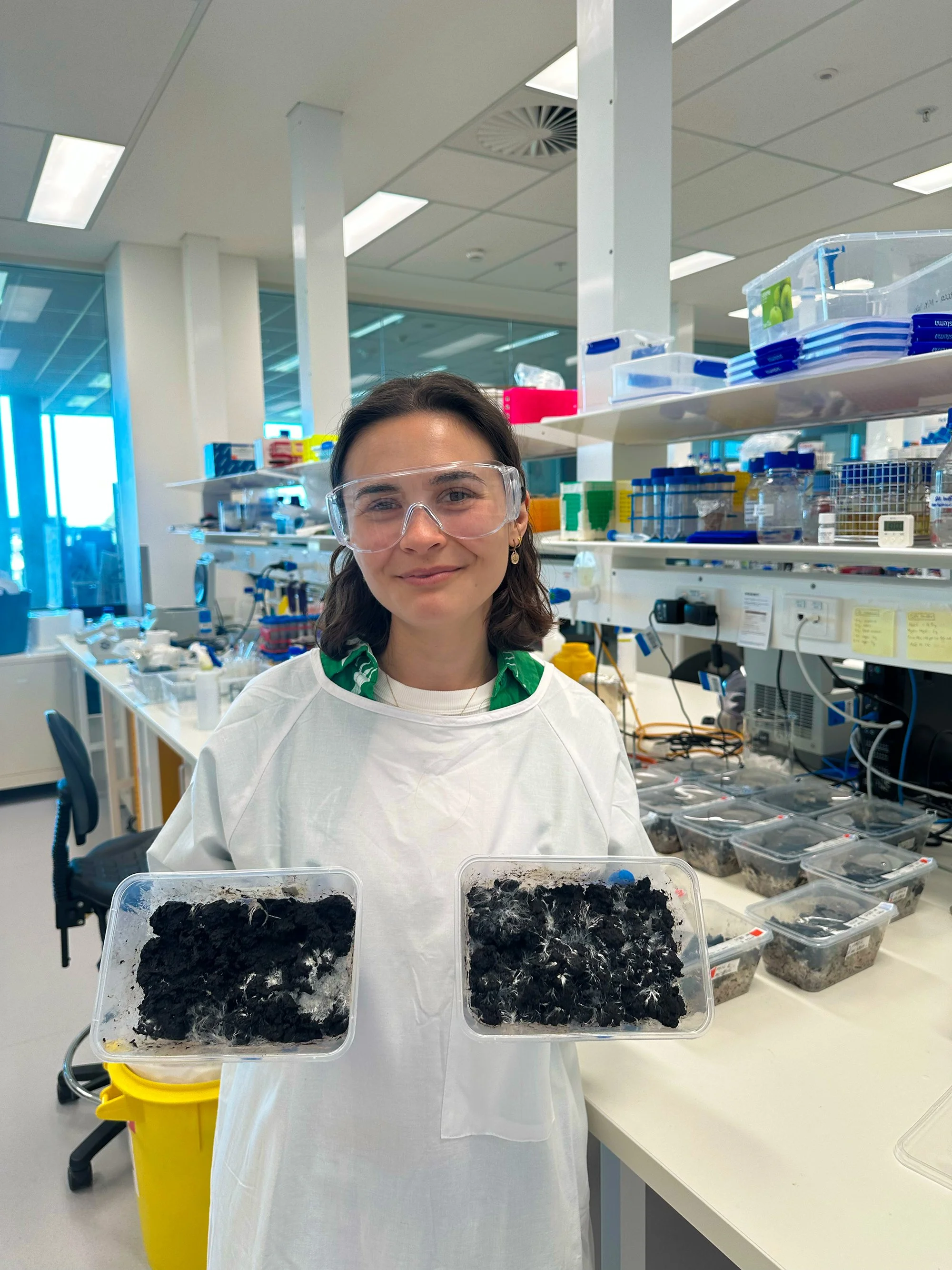
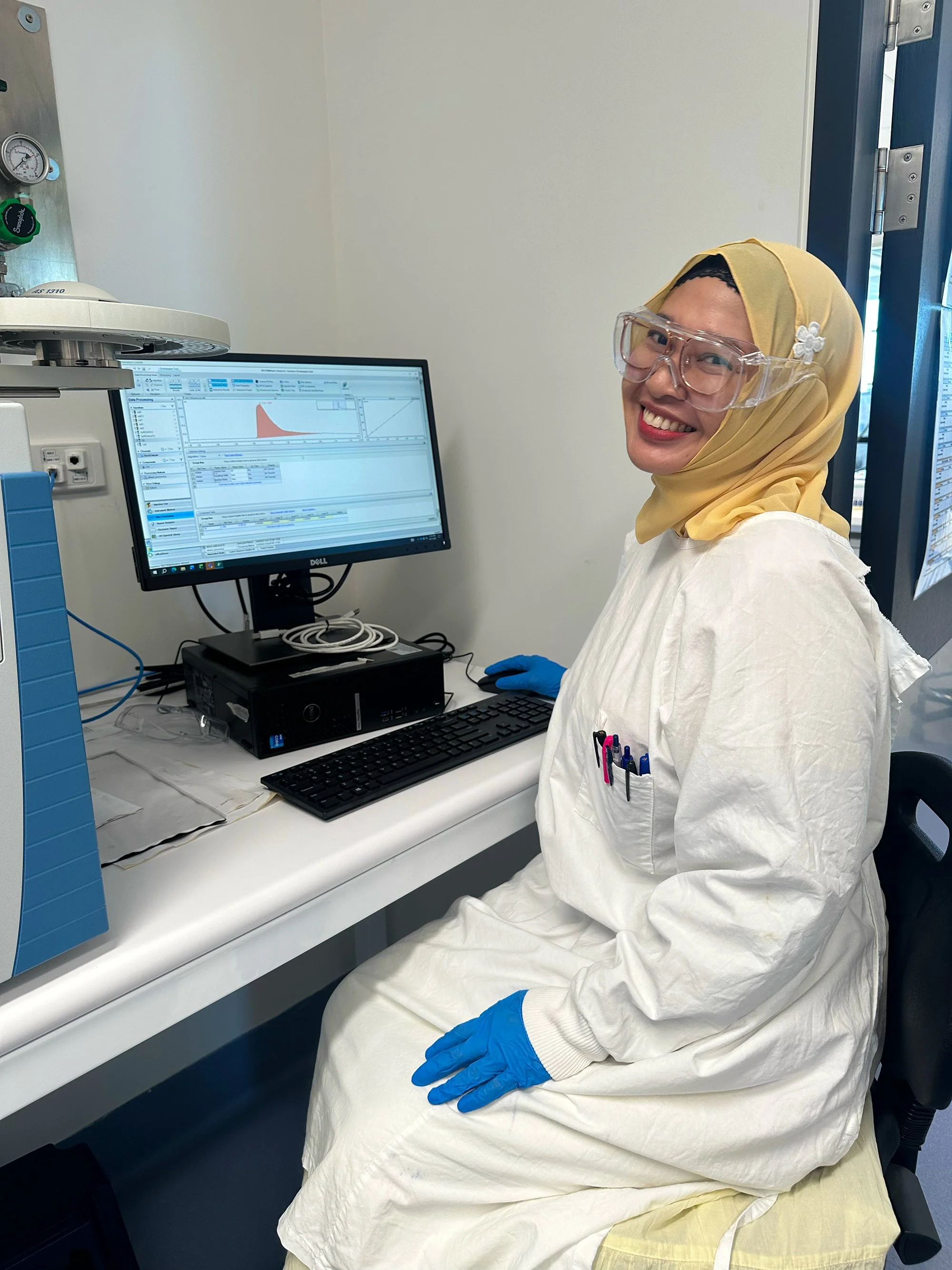
Project MU17004 (Optimising nitrogen transformations in mushroom production), led by Professor Michael Kertesz at the University of Sydney, aims to understand the influence of soil microbes on nitrogen transformations occurring in compost and casing during mushroom production. The objective of this ongoing project is to optimise nitrogen management, reducing losses from compost and improving yield and quality.

Balancing air and moisture within compost
What is the academic/technical knowledge around ventilation within the compost matrix during cropping and its effect on mycelium growth and mushroom yield? We know through experience that the 'right' structure and density of the compost in the growing containers is important, but we have no measures or even consistent data about the goals we are aiming for.