
Mushrooms and human health
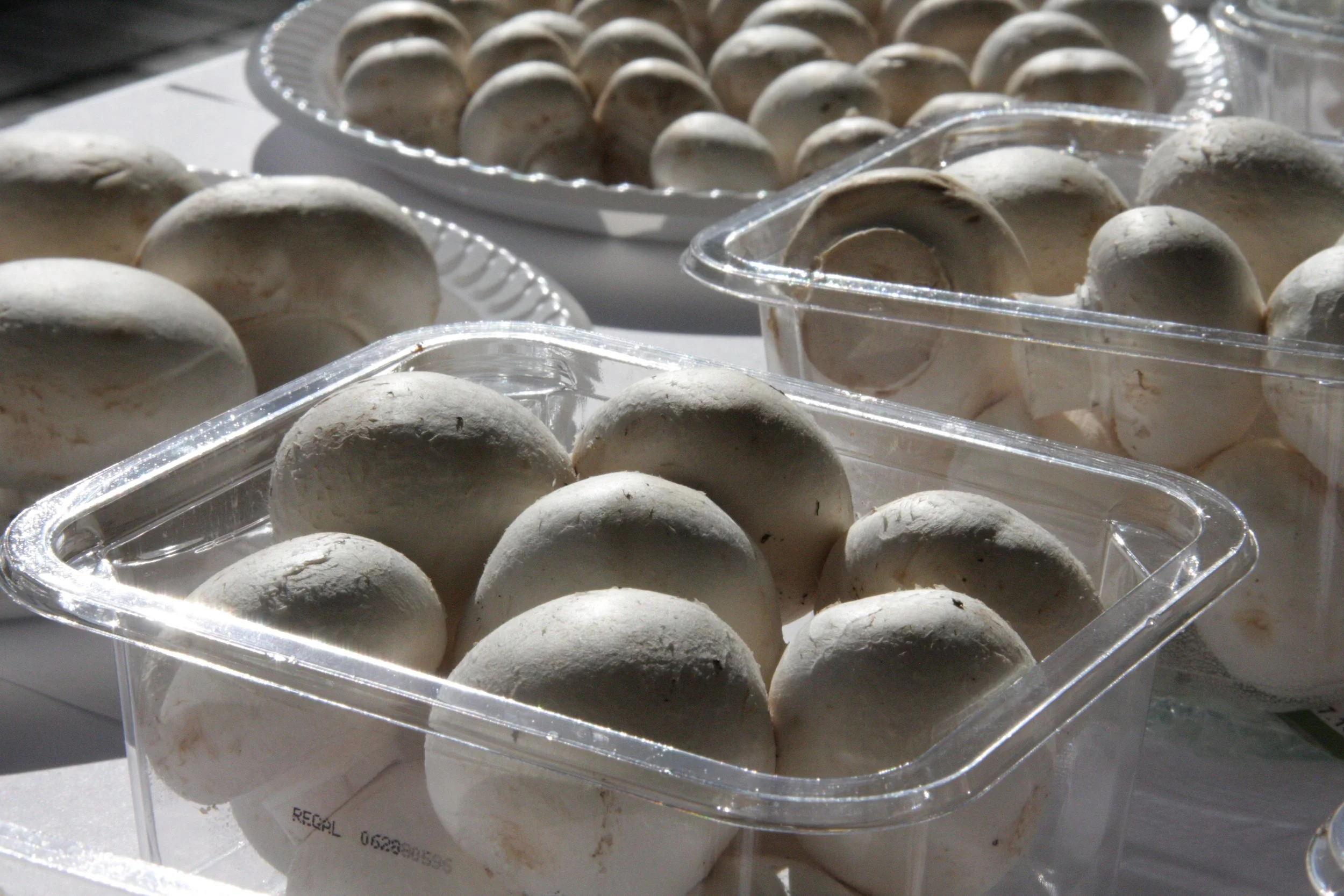
Australia’s mushroom industry has long known that mushrooms are a healthy food — but recent research suggests we’ve only scratched the surface of what Agaricus bisporus can offer.
A comprehensive literature review, prepared by nutrition specialist Dr Glenn Cardwell and Dr Jenny Ekman (AHR) as part of a new levy project Mushroom Health and Nutrition – A strategic plan for research and extension (MU24004), highlights the untapped potential for health-based messaging, product development, and consumer engagement. The findings lay the foundation for a strategic five to ten year research and education plan that strengthens the evidence base for mushroom nutrition and supports targeted stakeholder-aligned health messaging.
Shoppers say Mmm to mushrooms
Inside the success of the first round of the FY26 in-store sampling campaign
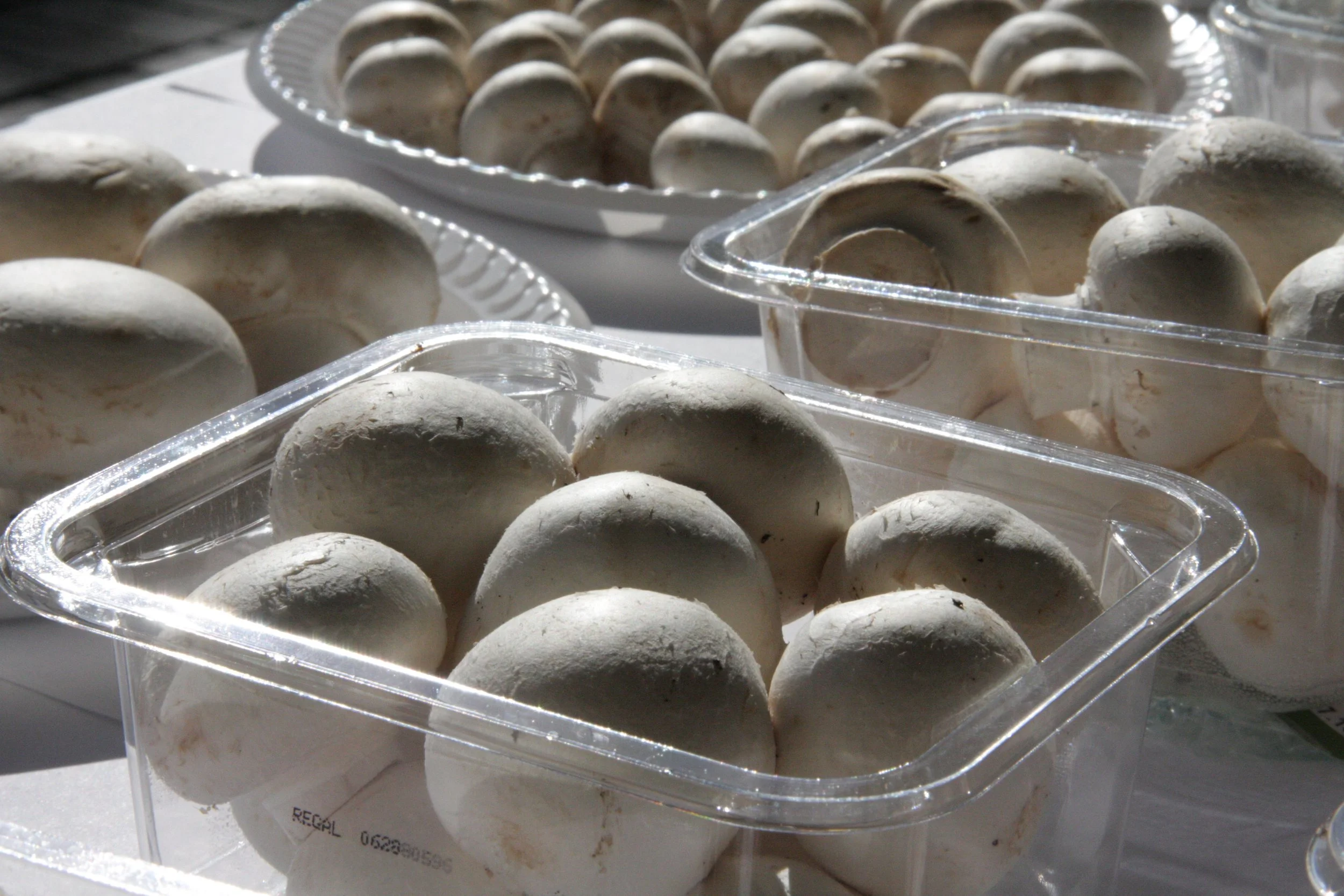
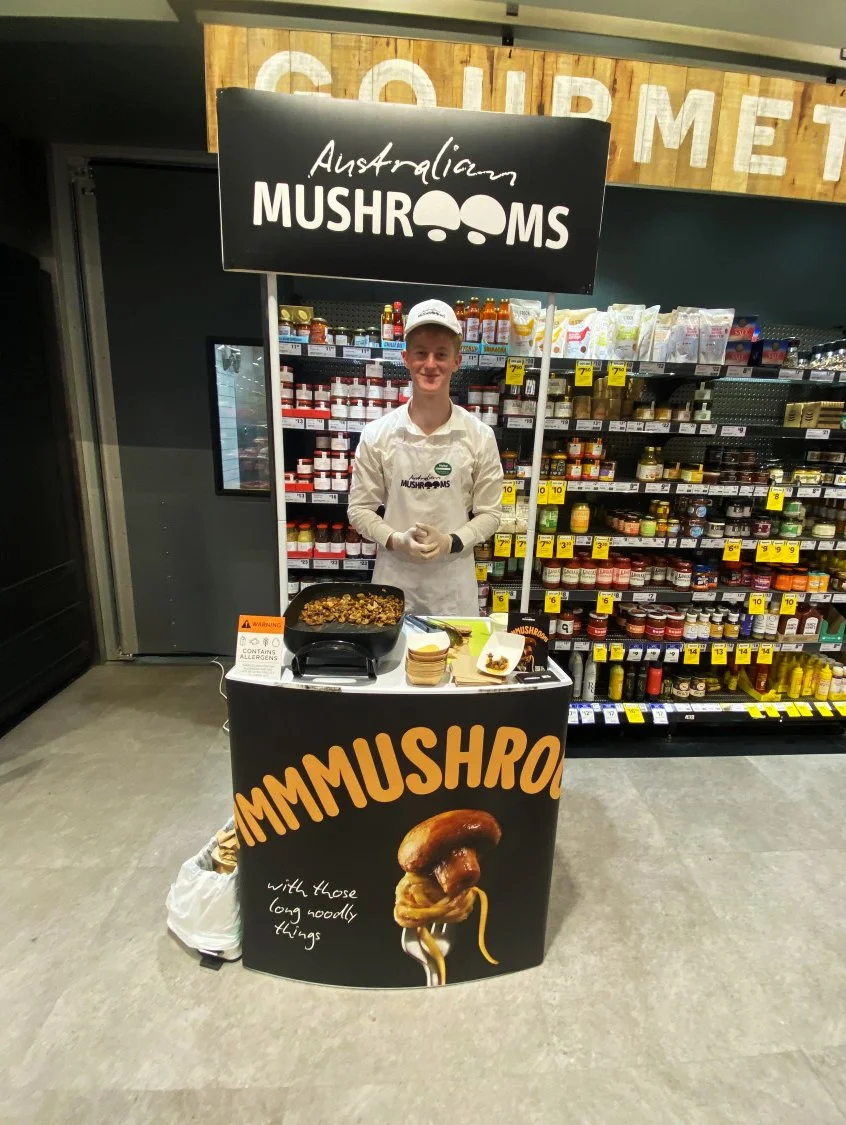
Over three bustling weeks between August and September, the aroma of sautéing mushrooms drifted through supermarkets across the country. It was part of Australian Mushrooms’ first in-store sampling burst for FY26, an activation designed to show shoppers just how easy, versatile and delicious mushrooms can be.
Across 149 sessions in Coles, Woolworths and independent retailers, more than 18,000 shoppers stopped to chat, taste and rediscover a familiar ingredient. What followed was an encouraging display of consumer curiosity, enthusiasm and genuine inspiration
Unlocking the power of data
Driving growth for the mushroom industry
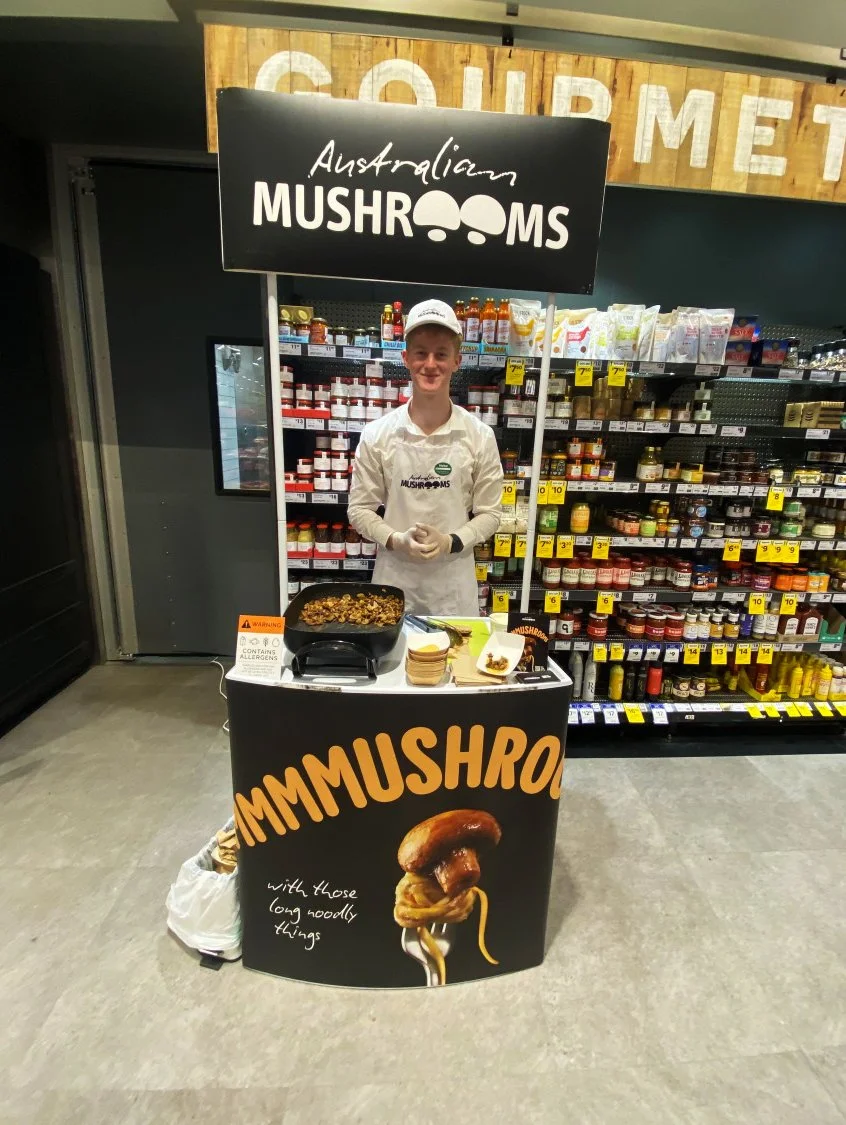
Hort Innovation is committed to helping the mushroom industry thrive. Its mission is clear: to inspire people to eat more mushrooms. But inspiration alone isn’t enough. To drive growth and make informed decisions, actionable insights are essential. That’s why Hort Innovation is investing in data, guiding strategies, and helping the mushroom industry seize new opportunities.
No single source can provide a complete picture of the mushroom supply chain. From production and supply dynamics to consumer behaviour and retail performance, understanding the industry requires multiple data streams working together. Hort Innovation has taken the lead by building foundational data resources.
Is your compost moisture on target?
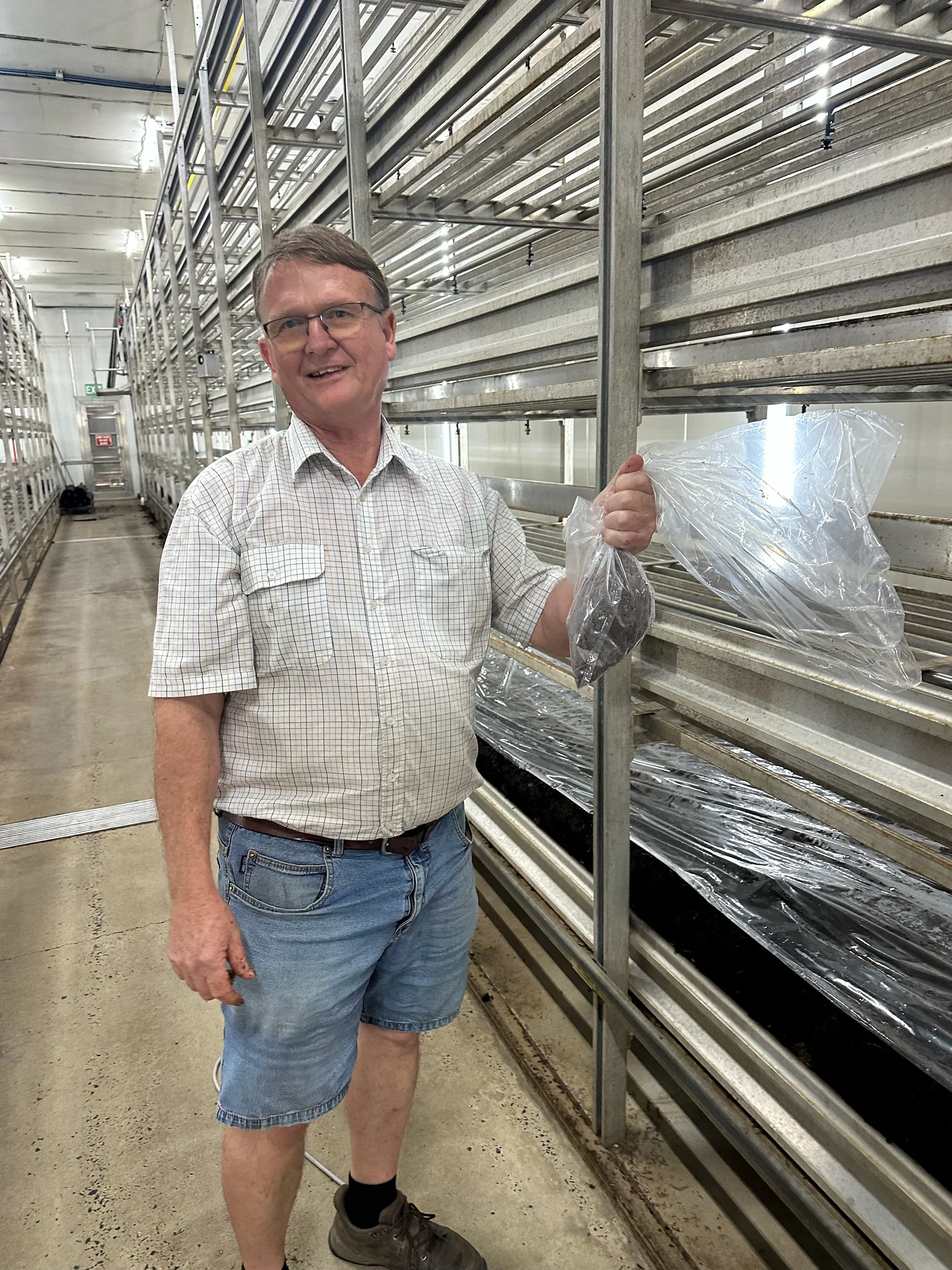
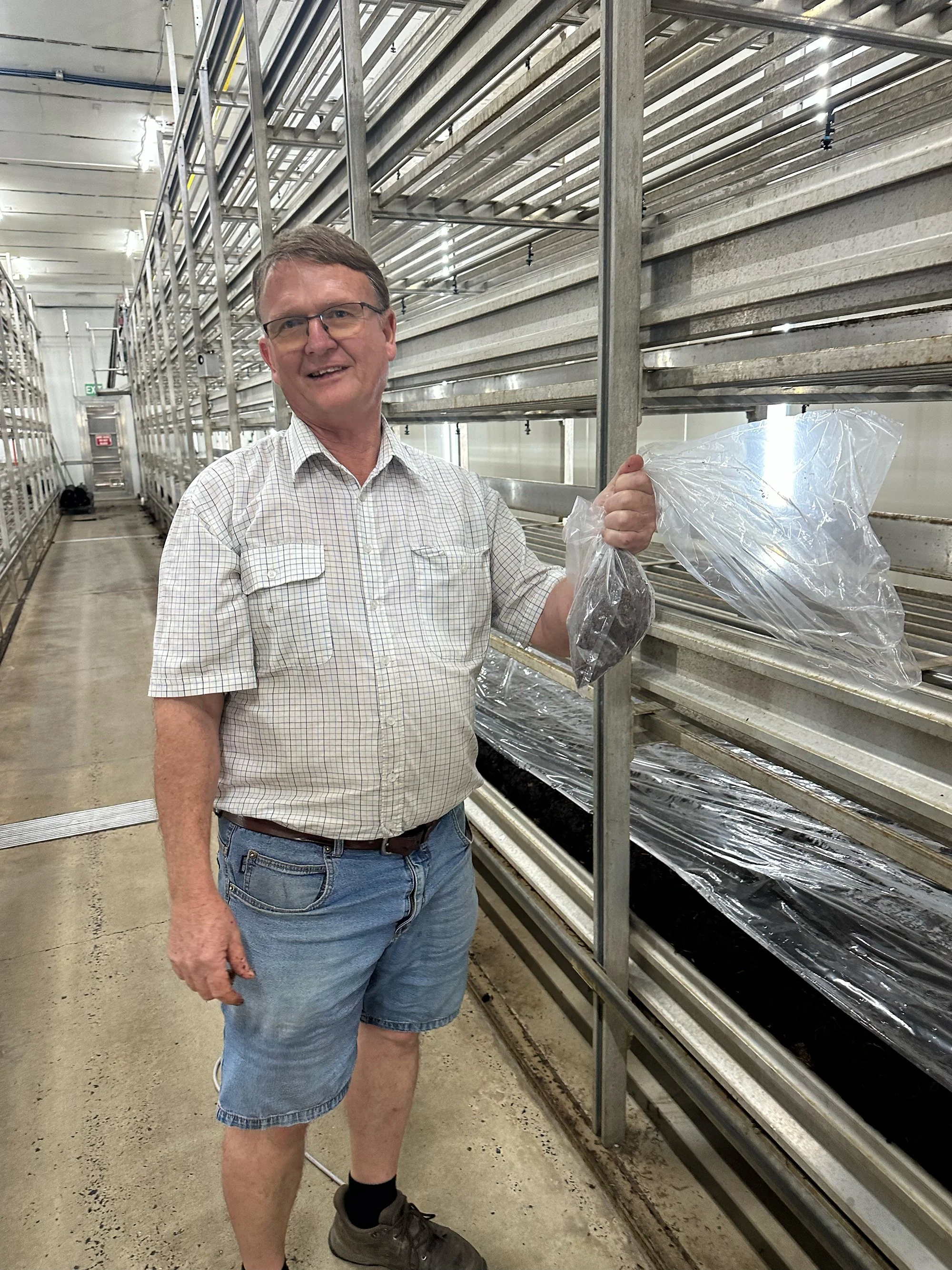
We’ve said it before, but mushrooms are basically water in fancy packaging. With water making up at least 90% of what you’re selling, it’s important to get substrate moisture levels right.
Approximately two-thirds of the water in first flush mushrooms has come from the compost. As the crop cycle continues, water is increasingly drawn from the casing. Yet the underlying compost remains a vital source of water as well as nutrients.
MushroomLink recently spoke to Robert Tolson of Premier Mushrooms about the importance of getting compost moisture right. He also provided some practical tips on how to measure moisture in compost.
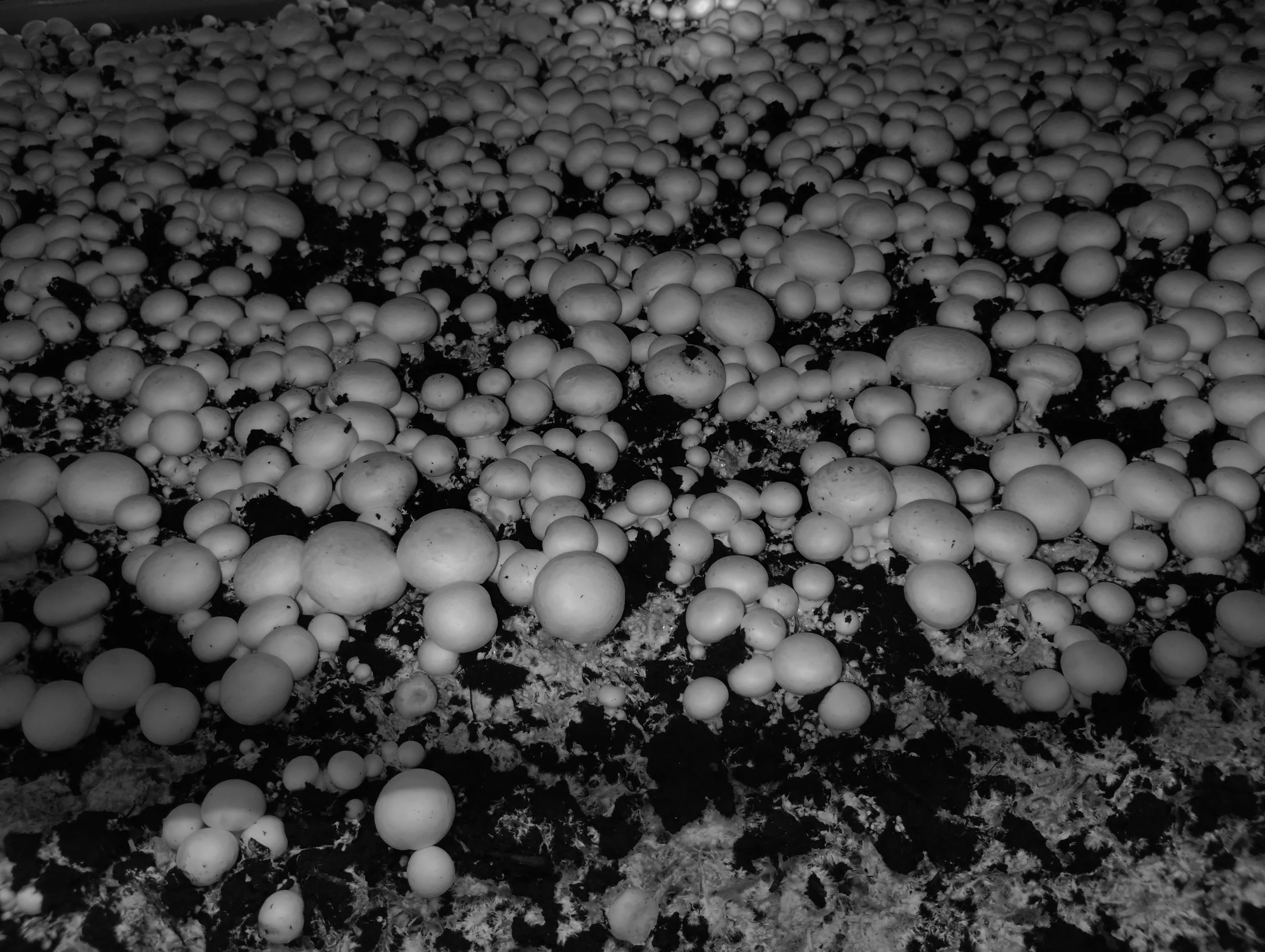
Inside Kennet Square, Pennsylvania
Lessons from the world’s mushroom capital: On tour with Umberto Calvo
Kennett Square, Pennsylvania, is one of the world’s most established mushroom-growing regions and home to a diverse concentration of farms and production systems.
During a recent visit to the US to attend the Mushroom Growers' Short Course, Umberto Calvo (AHR) joined a tour of several farms in the Kennett Square region — an opportunity to see firsthand how producers are responding to the ever-evolving challenges of scale, labour, pest pressure, mechanisation, and consistency.
The tour showcased a spectrum of systems: ultra-modern high-automation sites, refurbished legacy facilities still running traditional bucket-fill methods, and family-owned operations balancing innovation with generational knowledge. While each farm had its own formula for success, one challenge connected them all: managing flies and their impact on surrounding residential communities.
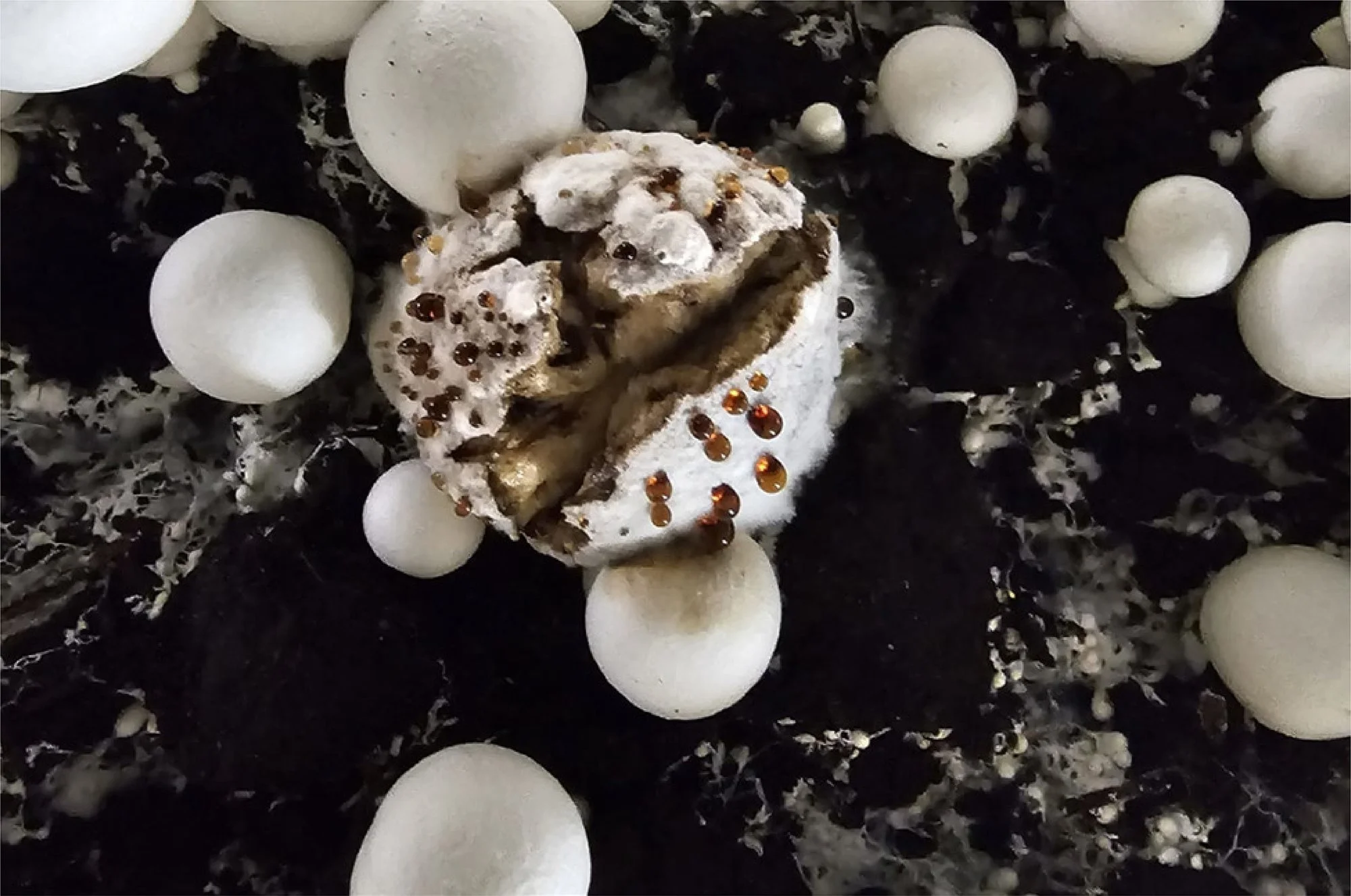
Wet bubble - Cause and control
Wet bubble disease, caused by fungi in the genus Mycogone, is a global disorder of cultivated Agaricus bisporus.
It mainly affects developing pins and young mushrooms, resulting in distorted growth, spongy undifferentiated tissue masses (when affected mushrooms are prevented from forming stem, cap and gill tissue), and wet rot. In severe infections, affected mushrooms collapse into foul-smelling masses leading to significant yield losses and reduced quality.
Within the Australian mushroom industry, wet bubble is a generally sporadic disease with outbreaks associated with lapses in farm hygiene, contaminated casing operations, ineffective grow room exclusion and environmental conditions favourable to the pathogen such as low airflow and high humidity.
Unchecked infections can spread rapidly within a crop so wet bubble remains a high priority disease for Australian growers (SARP 2022) with effective control dependent upon early recognition, rigorous hygiene, careful casing management and integration of chemical and cultural management strategies – the basic applied principles of integrated pest and disease management (IPDM)
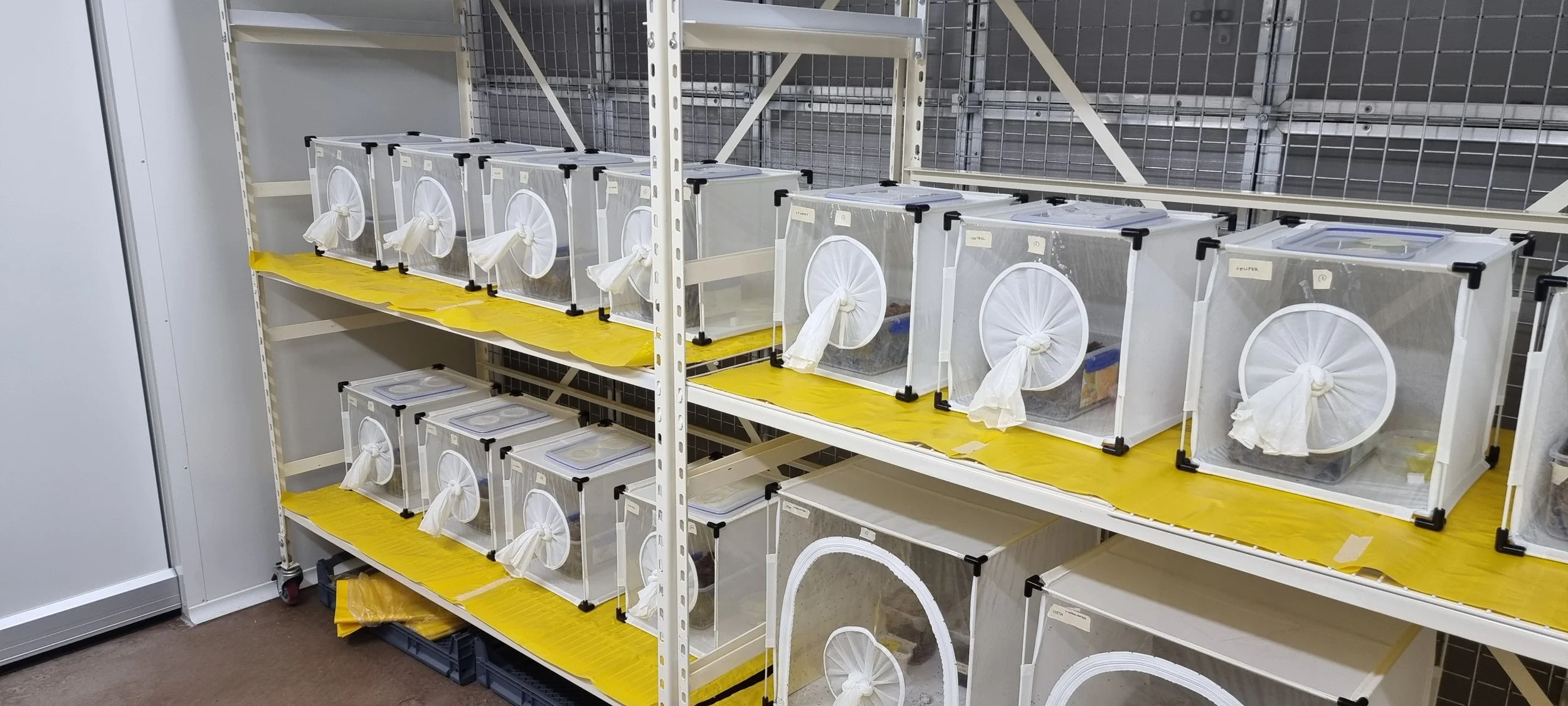
Beneficial entomopathogenic nematodes
Nematodes, sometimes called “roundworms” or “eelworms”, are the most abundant animal on earth. They are found in nearly every ecosystem, from the arctic to rainforest and desert to sea floor. Including mushroom farms.
Most nematode species live freely in the environment, feeding on fungi, bacteria and other soil microbes. Others are predatory, while a significant number of species are parasitic. Some of this latter group are major pests, impacting the health of plants, animals and, in a few cases, humans.
Perhaps surprisingly given their frequent ‘bad press’, the majority of nematodes are actually beneficial. Entomopathogenic nematodes (EPN) fall within this group. EPN are insect specialists, most commonly attacking larvae living in soil. Some actively hunt, while others wait in ambush, entering their host through natural openings such as the mouth, spiracles and anus.
A team at Agriculture Victoria, led by Dr Aimee McKinnon, have been trialling EPN as part of Hort Innovation project MU22000, titled ‘non-synthetic alternatives to complement pest and disease management in mushrooms’.
This article was written by Dr McKinnon and highlights some of the research conducted as part of the project.
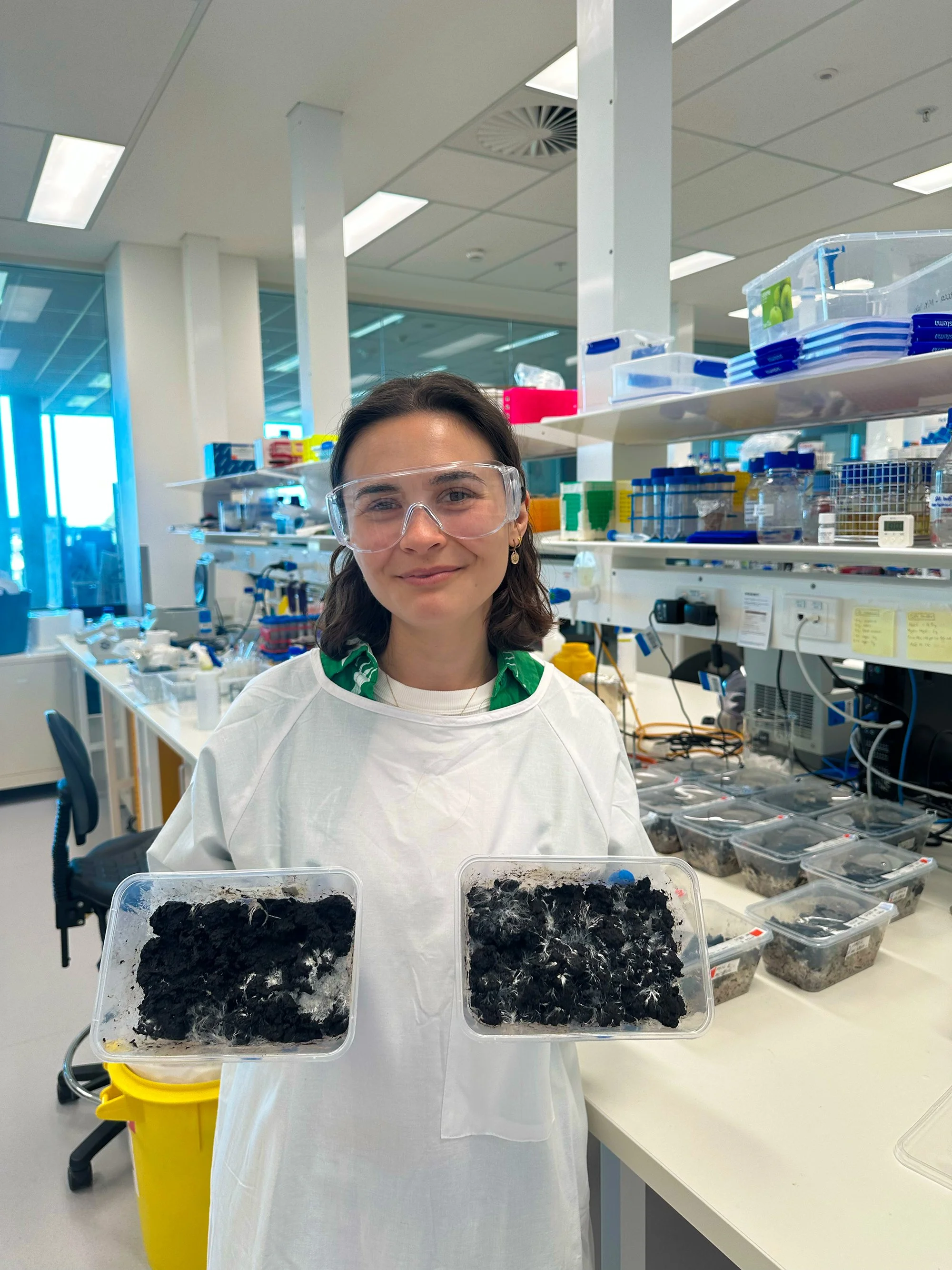
Identifying bacteriophages in mushroom compost
Bacteriophages may not be alive, but they are the most abundant biological agents on earth.
Bacteriophages are viruses that attack bacteria. The classic image of a bacteriophage looks a bit like a lunar landing module, with a capsid 'head' containing genetic material, collar and sheath, and a set of “legs” that attach to the bacterium’s surface. These (larger) phages have double stranded DNA genomes. However, others are simply a single, filamentous strand of coated DNA or RNA, or a tiny capsule.
Despite their abundance, bacteriophages are little studied. This is most likely because it is very difficult!
University of Sydney PhD candidate Rebecca Martin has taken on the considerable challenge of isolating and identifying bacteriophages present in mushroom compost.
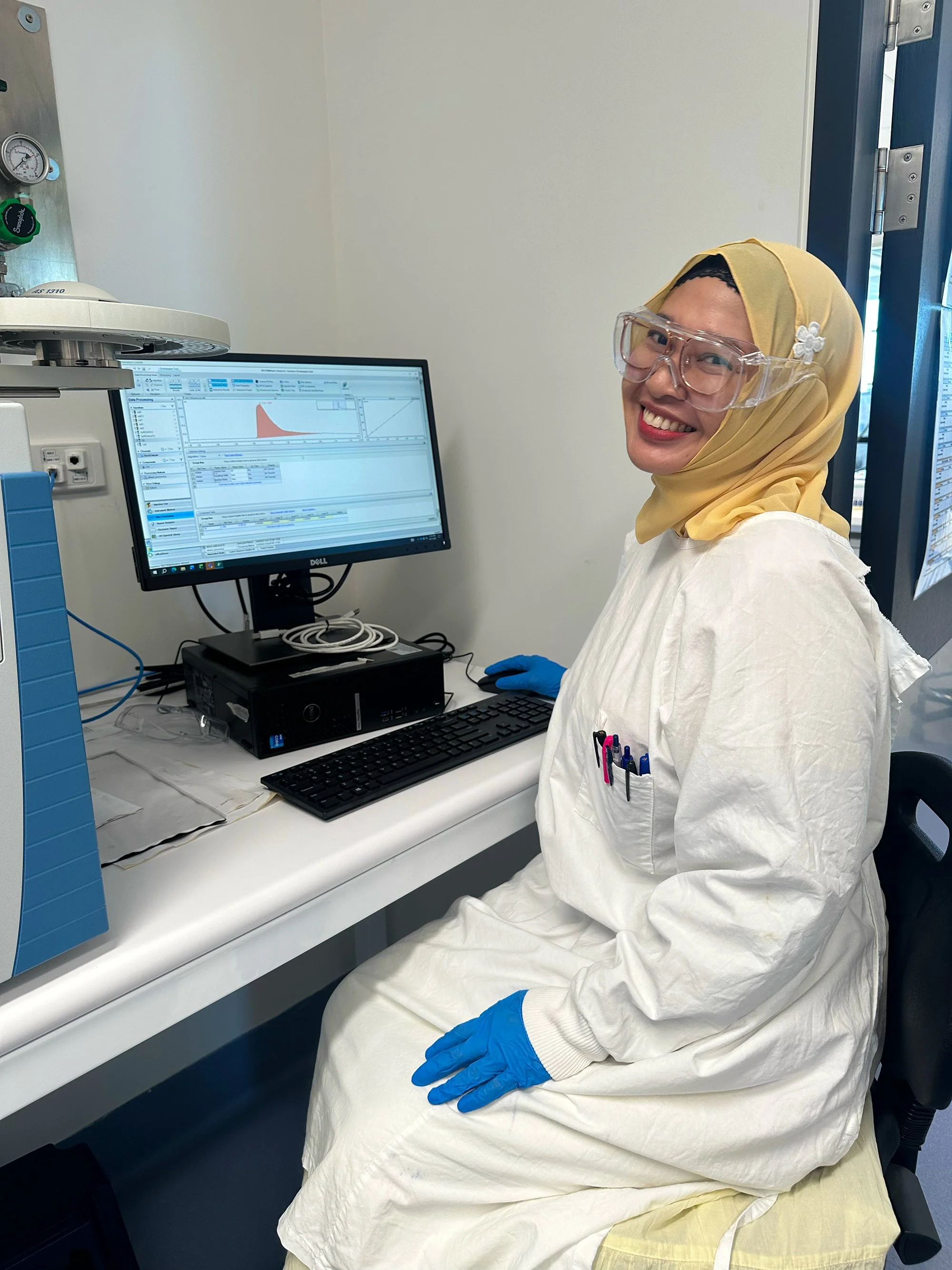
Exploring the effects of fatty acids in mushroom compost
Just as for humans, in mushrooms fatty acids are precursors to hormones, involved in membrane function and many other purposes.
While mushrooms are low in fat, they contain many essential fatty acids, including relatively high levels of PUFAs. There is evidence from more than 50 years ago that adding oilseeds rich in fatty acids to compost increases mycelium vigour and yield.
Sarah Faulina, originally from Indonesia, is now one year into a PhD examining the effects of fatty acid supplements in mushroom compost. She aims to discover the mechanism by which fatty acids increase growth of the Agaricus mycelium. The overall objective is to achieve the same increases in yield as from oilseed supplementation, but at less expense.
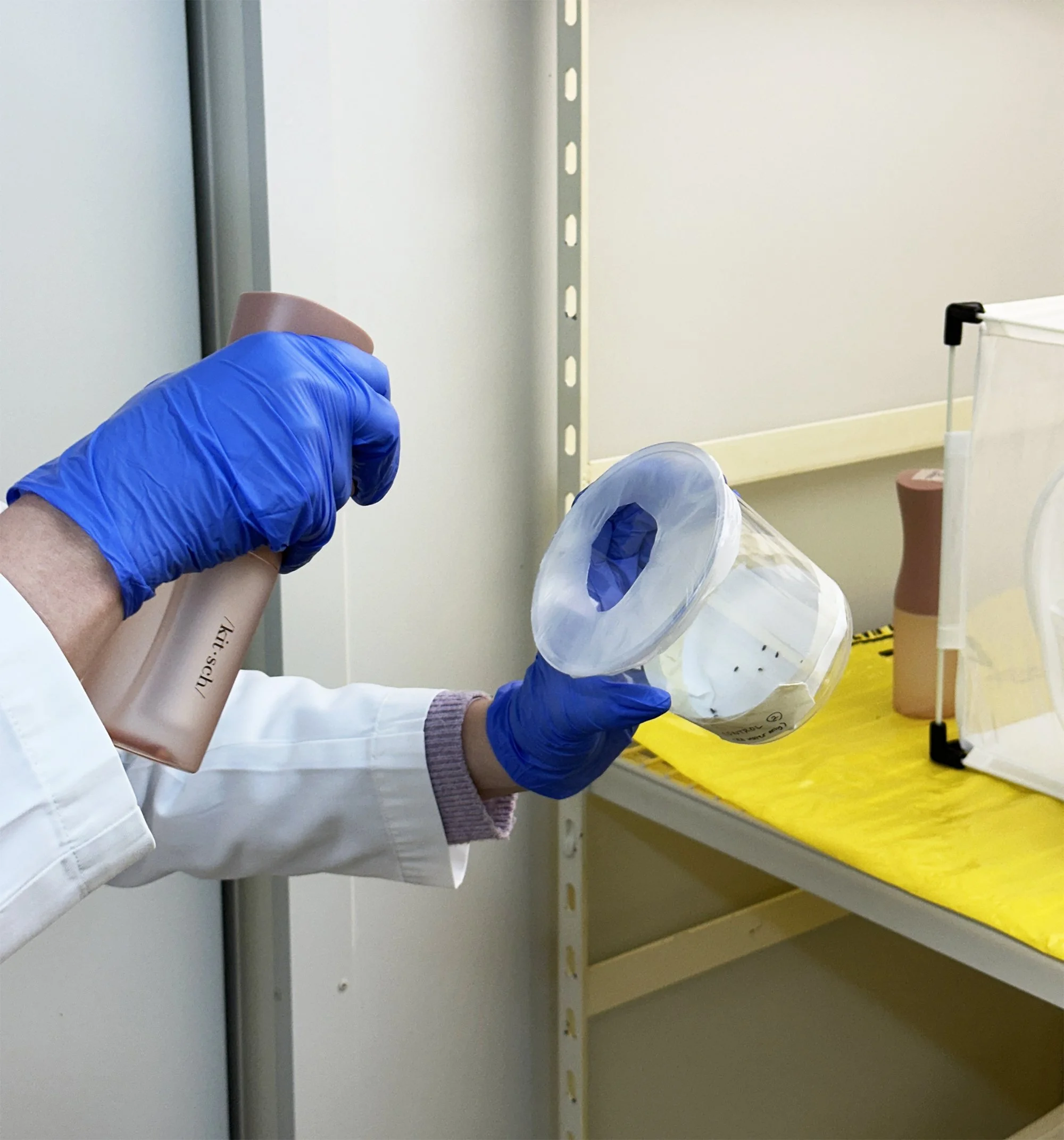
Insecticidal soap for mushroom flies
Mushroom growers across Australia are all too familiar with the tiny but troublesome sciarid and phorid flies that plague Agaricus bisporus crops.
These pests are more than just a nuisance, they can spread destructive diseases such as Trichoderma and dry bubble.
With few chemical options and the ever-present risk of insecticide resistance developing, the hunt is on for softer, sustainable alternatives to use in an integrated pest management strategy.
Through Hort Innovation project MU22000, the Agriculture Victoria research team have been investigating new and available, ‘soft’ options for fly control on mushrooms farms. In a wonderful example of international synchronicity, both the AgVic team, lead by Dr Aimee McKinnon and the Penn State Mushroom Fly Research Team, lead by Michael Wolfin, have been investigating whether insecticidal PSFA products intended for insect control can suppress mushroom fly populations.

Sarah Faulina goes beneath the surface: Compost, fatty acids, and microbial change
In this episode, Dr Jenny Ekman (AHR) sits down with University of Sydney PhD candidate Sarah Faulina, to dig into the topic of fatty acids and the role they can play in improving compost efficiency.
The conversation explores her early-stage research into compost supplements, specifically fatty-acid–rich amendments like canola and flaxseed, and how they influence the microbial communities within compost. While her research will eventually extend to crop yield, it begins beneath the surface – investigating the mechanisms at play and how fatty acids influence bacterial and fungal populations.
With compost amendments often being costly, Sarah’s work into understanding why fatty acids are effective opens the door to more affordable and scalable ways of achieving the same benefits. Thanks to modern testing technologies, researchers can now identify microbial communities in far greater detail, revisiting questions that were previously limited to yield alone.
Curious about how microscopic processes could shape the future of mushroom production? Take a listen to this episode.
Podcast hosted by Dr Jenny Ekman, AHR.
Sarah Faulina is a PhD candidate from The University of Sydney. Her research is focused on understanding how fatty acids influence mushroom growth through the microbial dynamics of compost. Her work examines why fatty acid supplements increased yields in previous research, with the long-term goal of assessing whether these approaches could be viable for large-scale production. Outside the lab, Sarah loves exploring forests and observing wild mushrooms - now with the added joy of understanding what helps them grow.
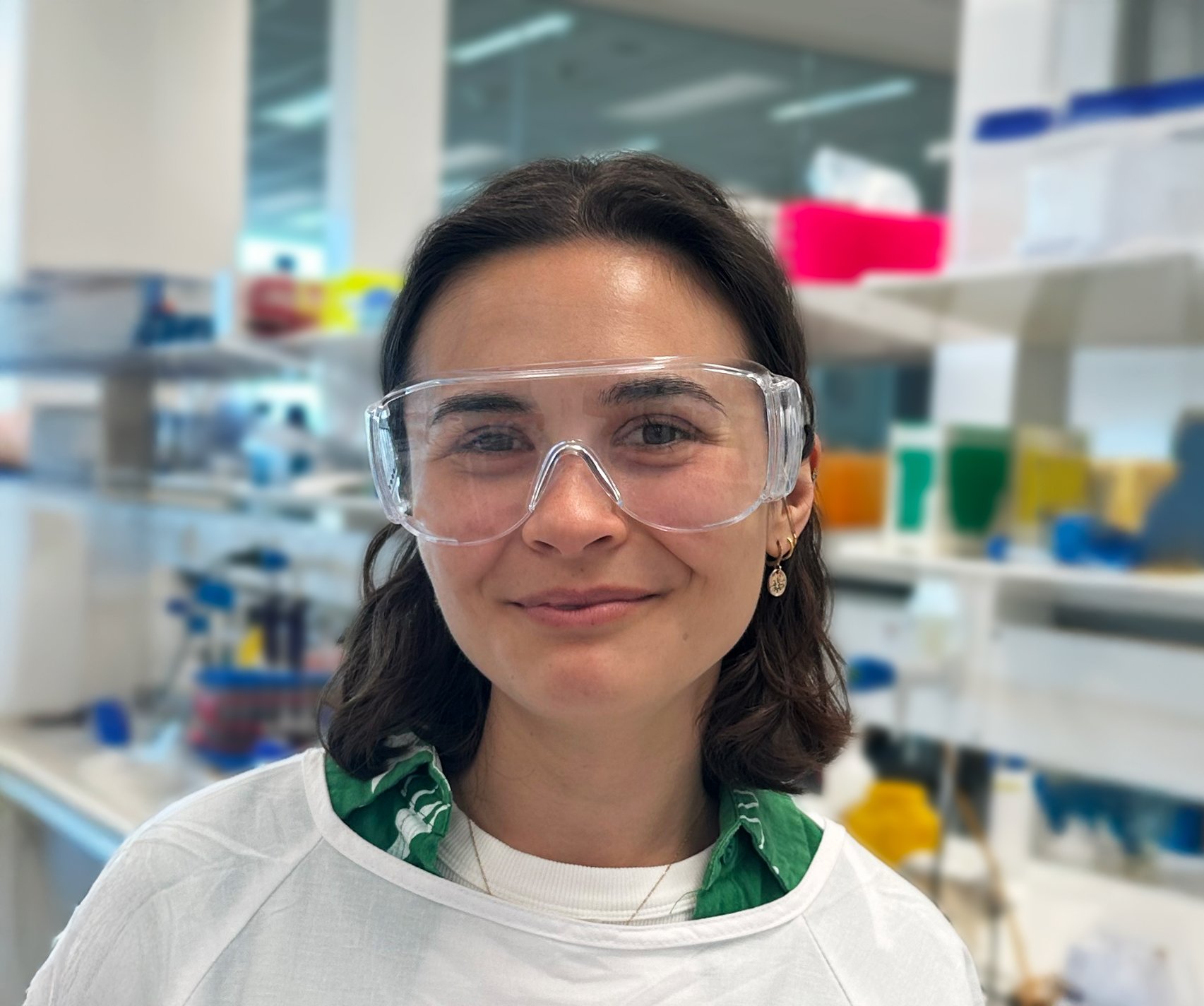
Rebecca Martin on bacteriophages: Unseen forces behind mushroom growth
Bacteriophages are the most abundant microscopic agents on Earth, yet much about them remains a mystery. In this episode, Dr Jenny Ekman (AHR) sits down with University of Sydney PhD candidate Rebecca Martin to discuss how these microscopic agents could be playing a surprising role in mushroom production.
The conversation covers what bacteriophages are, how they influence nutrient cycling in compost, and how understanding their behaviour could help Agaricus mycelium access nutrients more efficiently. Rebecca takes us inside her meticulous research, using advanced bioinformatics and DNA analysis to profile compost phages with remarkable precision.
Podcast hosted by Dr Jenny Ekman, AHR.
Rebecca Martin: Rebecca is in the final year of her PhD at the University of Sydney, supervised by Michael Kertesz and Gary Muscatello. She previously completed her Bachelor of Science with honours at the University of Sydney, majoring in both microbiology and biology. Her PhD project perfectly combines two of her major academic interests, ecology and weird microorganisms.
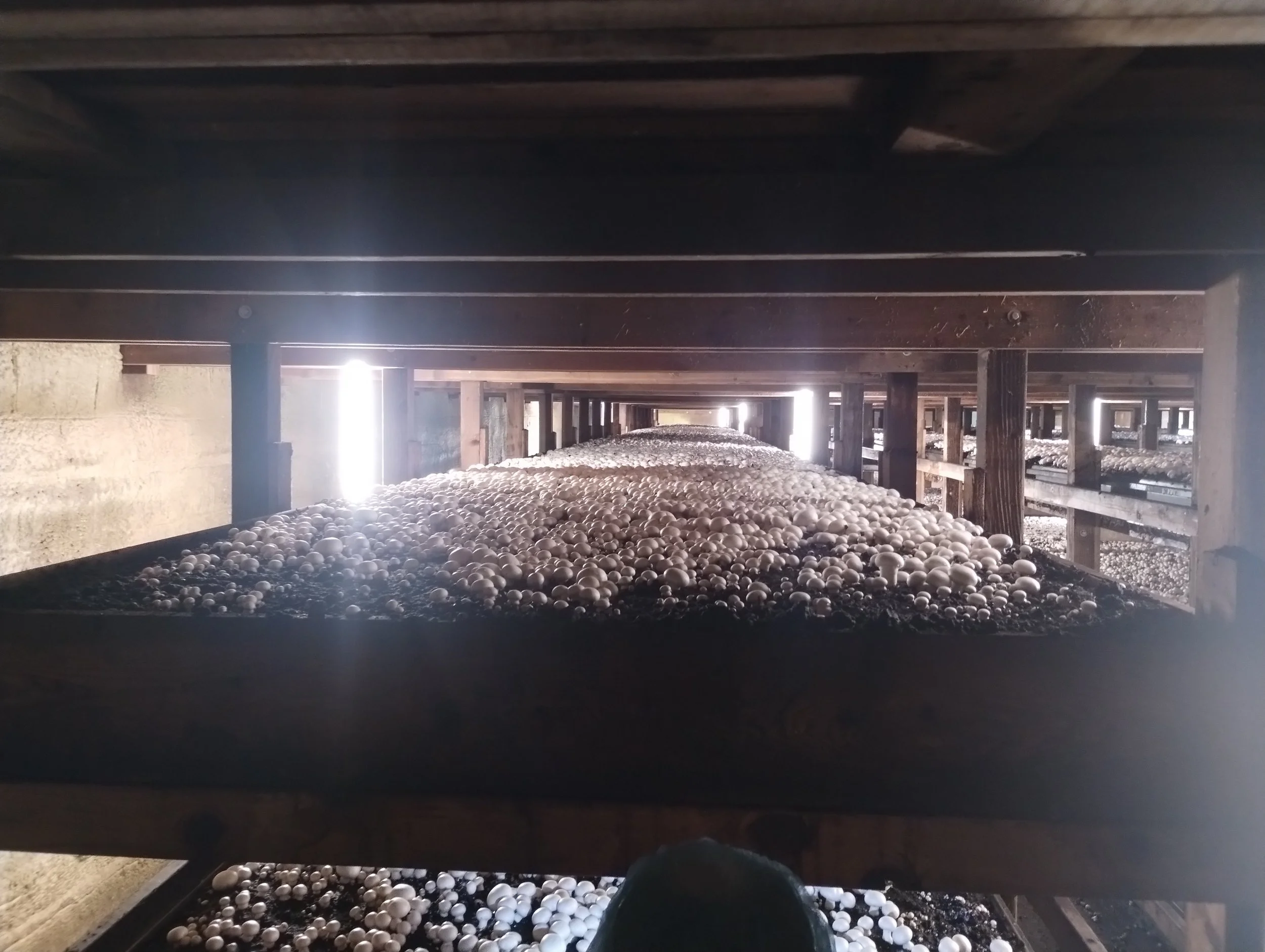
Inside Kennett Square, Pennsylvania
Kennett Square, Pennsylvania, is one of the world’s most established mushroom-growing regions, home to a diverse mix of farms and production systems.
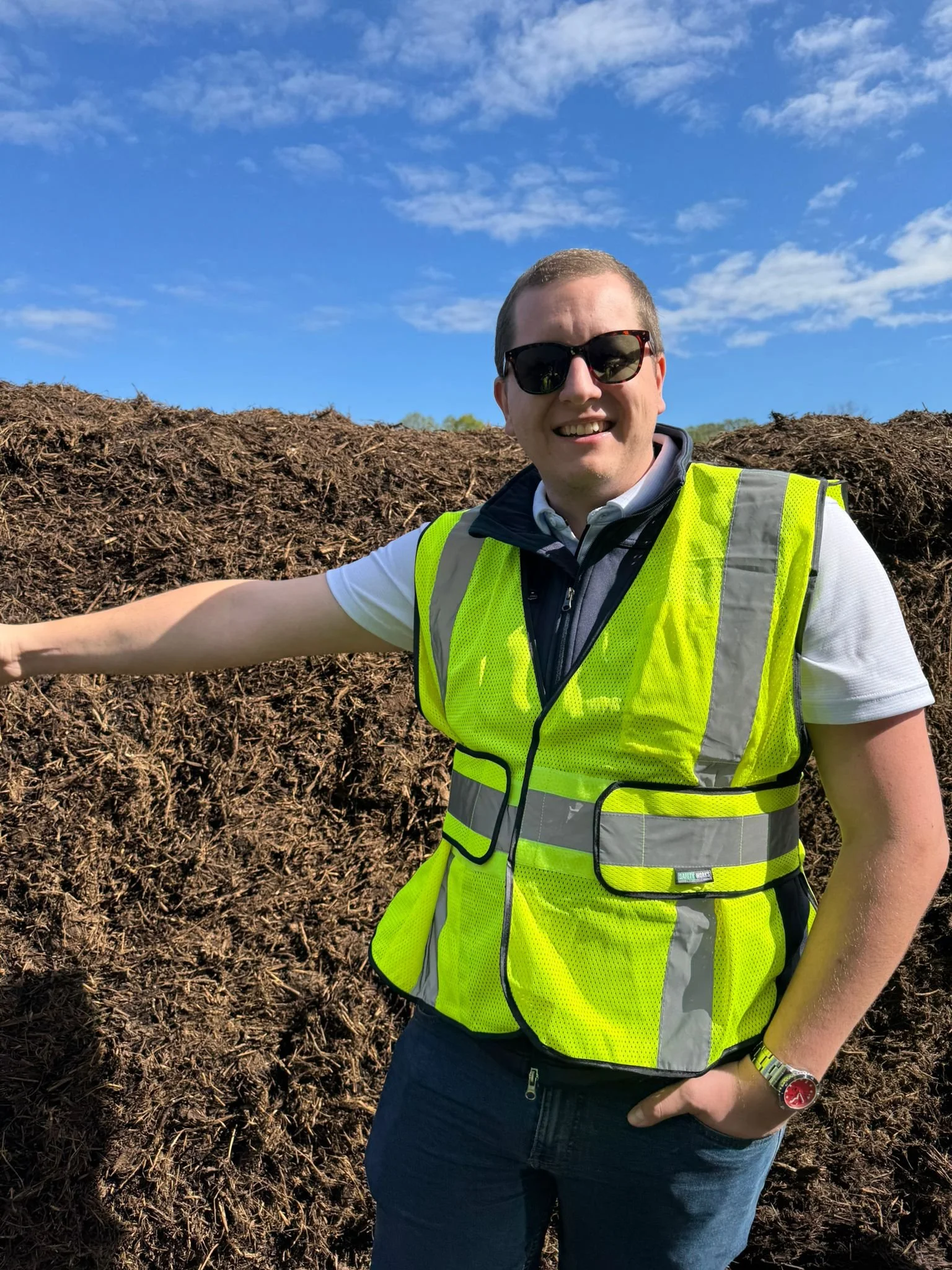
Umberto Calvo
During a recent visit to the US for the Mushroom Growers Short Course, Umberto Calvo (AHR) toured several Kennett Square farms, seeing firsthand how producers are tackling challenges around scale, labour, mechanisation, pest pressure, and consistency. From highly automated sites to legacy and family-run operations, one shared issue stood out: managing flies and their impact on nearby communities.
MushroomLink Bulletin December
In this edition
New case study: Inside Kennett Square | Lessons from the world’s mushroom capital
Feature article: Researching viral diseases
Upcoming webinar: Save the date | Update from the team at ThinkStep ANZ
New podcast: Inside US mushroom research and farming | Umberto Calvo and Meghann Thai share first-hand insights from Pennsylvania trip
Five minutes with marketing: Australian Mushrooms socials | Bringing bold flavour to everyday meals
The latest from Hort Innovation: Plus One Serve launch
MushroomLink Bulletin November 2025
In this edition
Featured article: If something goes wrong | Protecting food safety in mushrooms
Webinar out now: Food safety | When things go wrong
New podcast: Umberto Calvo with James Ciarrocchi from Sher-Rockee Mushroom Farms, Pennsylvania
Mushroom sales: New sales data from Hort IQ
Five minutes with marketing: Shoppers say yes to mushrooms
Hort Innovation webinar: From Gen Z to boomers - What’s on Australia’s plate?
Hort Frontiers event: Australian-Grown Innovation Engage SA session

Inside US Mushroom Research & Farming: Umberto Calvo and Meghann Thai share first-hand insights from Pennsylvania Trip
In this episode, Meghann Thai and Umberto Calvo reflect on their recent trip to Pennsylvania, where they attended the Penn State University Mushroom Short Course, visited the Mushroom Research Centre, and toured ten local mushroom farms.
They share insights into how the US are approaching innovation, sustainability, and research, and how these practices compare to the Australian industry.
From composting techniques to casing materials, peat use, and local regulations, Meghann and Umberto unpack what they observed across a wide range of farming systems. They also explore how variations in infrastructure can influence production challenges, including the local fly issues.
Throughout the discussion, they discuss where Australia is leading the way, where there’s room to learn, and how international collaboration could pave the way for future breakthroughs.
Podcast hosted by Dr Jenny Ekman, AHR.
Umberto Calvo from AHR works across a variety of R&D projects in multiple horticultural industries in Australia, from avocados to vegetables. He is the manager of the Marsh Lawson Mushroom Research Unit, in Sydney. Umberto was in the US to attend the Mushroom Short Course at Penn State University and visit local farms to better understand their growing techniques, as well as their composting and casing materials.
Meghann Thai is a Postdoctoral Research Associate in Microbiology at The University of Sydney. Her current research focuses on the microbial dynamics in casing soil and aims to develop a sustainable alternative material for use in casing soil for button mushroom production. Meghann was invited by Professor Michael Wolfin to speak at the Penn State University Mushroom Short Course. Together with her colleague Umberto, she also visited several local farms to gain insight into US practices.

When things go wrong - Practical steps for mushroom growers
About this webinar
In this webinar, food safety and postharvest experts Melisa Cavallaro and Dr Jenny Ekman explore what happens when things go wrong in farm and how to respond effectively. This session will help you to strengthen your team’s readiness and refine your response systems.
Melisa steps through the corrective action framework, outlining what to do in the event of contamination. From containment and investigation to escalation and documentation, the framework provides a clear, structured approach to managing incidents while maintaining confidence and leadership.
Jenny draws on years of industry experience with pathogens and walks us through how they’re detected, what test results really mean, and why the presence of bacteria doesn’t always signal a food safety crisis.
Through practical scenarios - including microbial, chemical, and physical contamination events, this session will help you understand how to apply the framework in real-world situations.
This webinar is part of Food Safety Month, an initiative of the Hort Innovation mushroom levy-funded project 'Extension and adoption for food safety, quality and risk management (MU20000)', led by the Australian Mushroom Growers' Association.
About the presenters
Dr Jenny Ekman (AHR)
Dr Ekman is a postharvest physiologist and communicator who works to maximise produce freshness and value while minimising supply chain losses. She is passionate about applying science to improve commercial and consumer outcomes.
Melisa Cavallaro
Melisa Cavallaro is a certified HACCP Practitioner with over 15 years’ experience in food safety consulting, specialising in fresh produce. She is passionate about safe guarding the Australian agricultural industry and is dedicated to bridging the gap between GFSI certifications and small family-operated farms.

Umberto Calvo on local farming practices with James Ciarrocchi at Sher-Rockee Mushroom Farms, Pennsylvania
In this podcast we follow Umberto Calvo on his trip to the US where he visits Sher-Rockee Mushroom Farms in Pennsylvania to speak with mushroom grower James Ciarrocchi. Their conversation dives into the important intersection of science, sustainability, and innovation, drawing comparisons between US and Australian mushroom farming practices.
James shares positive insights into how the farm is tackling fly control through collaboration with Penn State University, under the guidance of Professor Michael Wolfin. Together, they are trialling the use of Vestergaard nets, an insecticide-infused, innovative material originally developed for malaria prevention in Africa. This breakthrough research takes a closer look at how netted growing rooms perform against traditional controlled environments, aiming to uncover a new way to improve pest control.
The discussion turns to casing materials and how geography, available resources, and tradition can shape mushroom cultivation. James also touches on how the farm are prioritising quality in order to compete with imported product, and the importance of bringing the mushroom story to life through community events and social media. Because it’s more than just farming, it’s about connecting people to the incredible versatility and benefits of mushrooms.
Podcast hosted by Umberto Calvo, AHR.
Umberto Calvo from AHR works across a variety of R&D projects in multiple horticultural industries in Australia, from avocados to vegetables. He is the manager of the Marsh Lawson Mushroom Research Unit, in Sydney. Umberto was in the US to attend the Mushroom Short Course at Penn State University and visit local farms to better understand their growing techniques, as well as their composting and casing materials.

MushroomLink Bulletin October 2025
In this edition
Feature Article: Mushrooms in China - research & consumption powerhouse
New Resource: Alternate casing substrate – providing review of research to date and an expert forum for future R&D investment (MU22009)
5 minutes with marketing – Celebrating World Mushroom Day with Courtney Roulston
Mushroom & human health survey: Have your say to help shape future research
Hort Innovation News: 2025 Annual Report Out Now
New Magazine Alert: MushroomLink Spring Edition Magazine

Celebrating World Mushroom Day with Courtney Roulston
For World Mushroom Day, Australian Mushrooms partnered with renowned culinary personality Courtney Roulston to create new recipes to showcase the flavour and versatility of Australian Mushrooms. Earned media activity included a targeted approach, pitching to top-tier media outlets with the captivating angle "travel around the world with mushrooms". This angle was a fresh way to communicate how easy it is to use mushrooms across various cuisines, providing everyday dinner inspiration. Highlight was a segment with Larry Emdur and Kylie Gillies on channel 7's The Morning Show, celebrating the taste and versatility of Australian mushrooms.
Courtney's three recipes - Spiced Mushroom Taco, Mushroom Katsu Sandwich and Spicy Honey-Soy Mushroom Noodles - are on the Australian Mushrooms website and have been shared across her social channels as well as Australian Mushrooms' owned channels.
All coverage so far has achieved over 23 million opportunities to see.
Highlights include:
The Morning Show (see video below), Channel 7 (1.6 million weekly reach) - 2.5-minute segment World Mushroom Day spotlighting how viewers can easily use Australian Mushrooms in Courtney’s recipes to create delicious dishes at home (see video below).
7News.com.au (8.3 Million monthly reach) - Ran a piece for World Mushroom Day dedicated to Courney’s Australian Mushroom recipes, inspiring Aussies to prepare, eat and enjoy Australian Mushrooms as their hero ingredient and take advantage of their many benefits.
Body + Soul (1,270,000 Reach) - News.com.au wellness platform ran an article featuring the Mushrooms Taco recipe, using the stunning photography Courtney created alongside a credit to Australian Mushrooms with a website link.
The Nightly (2,800,000 Reach) - The news website ran a lifestyle piece including the Taco and Katsu Sando recipes.